





TRID/Readthrough Candidate Library
TRID / Readthrough Candidate Library
8,200 Mechanism-Informed, Chemically Diverse Candidates for Nonsense-Mutation Readthrough Discovery
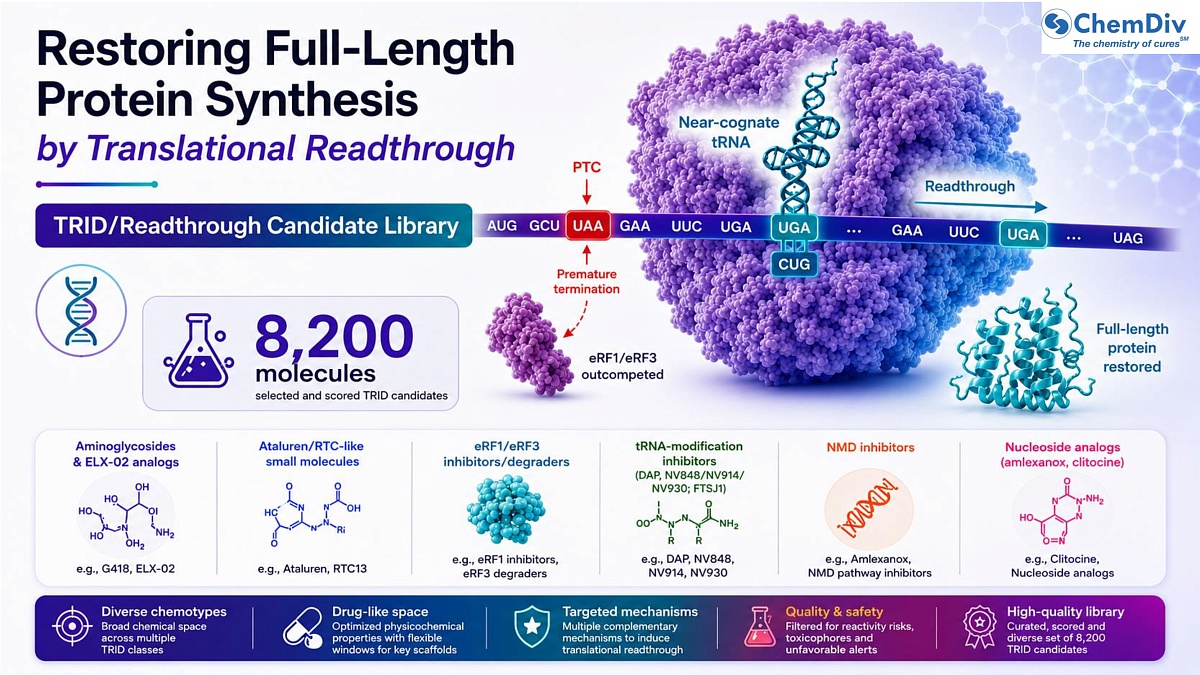
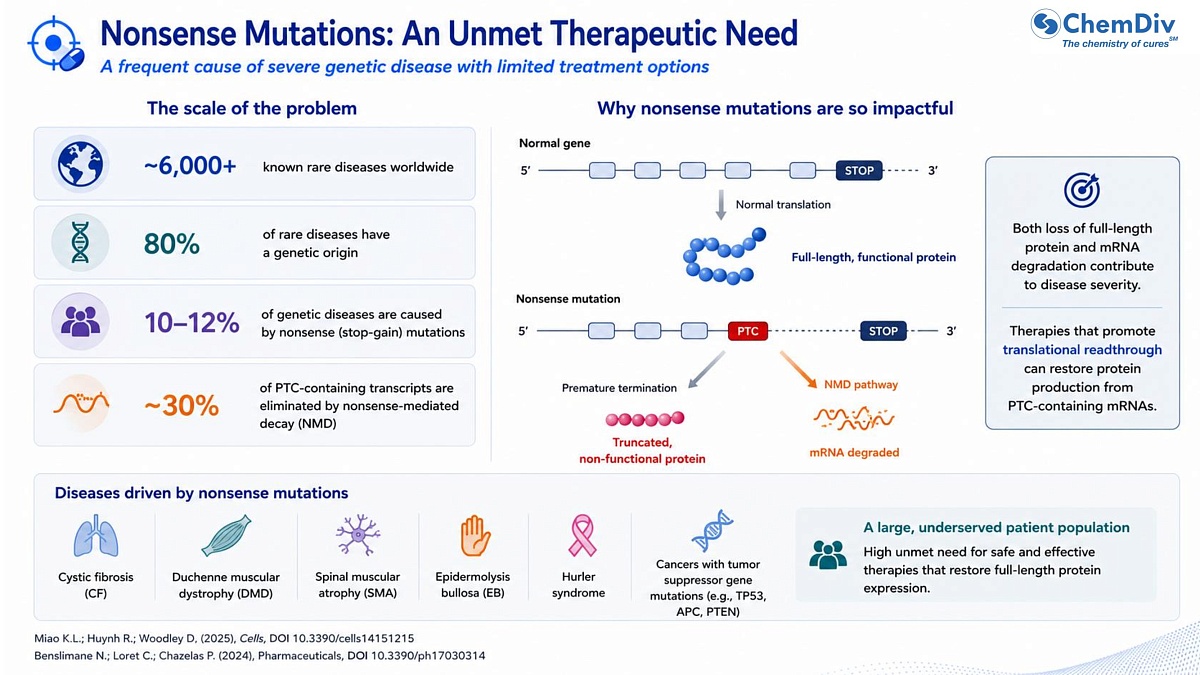
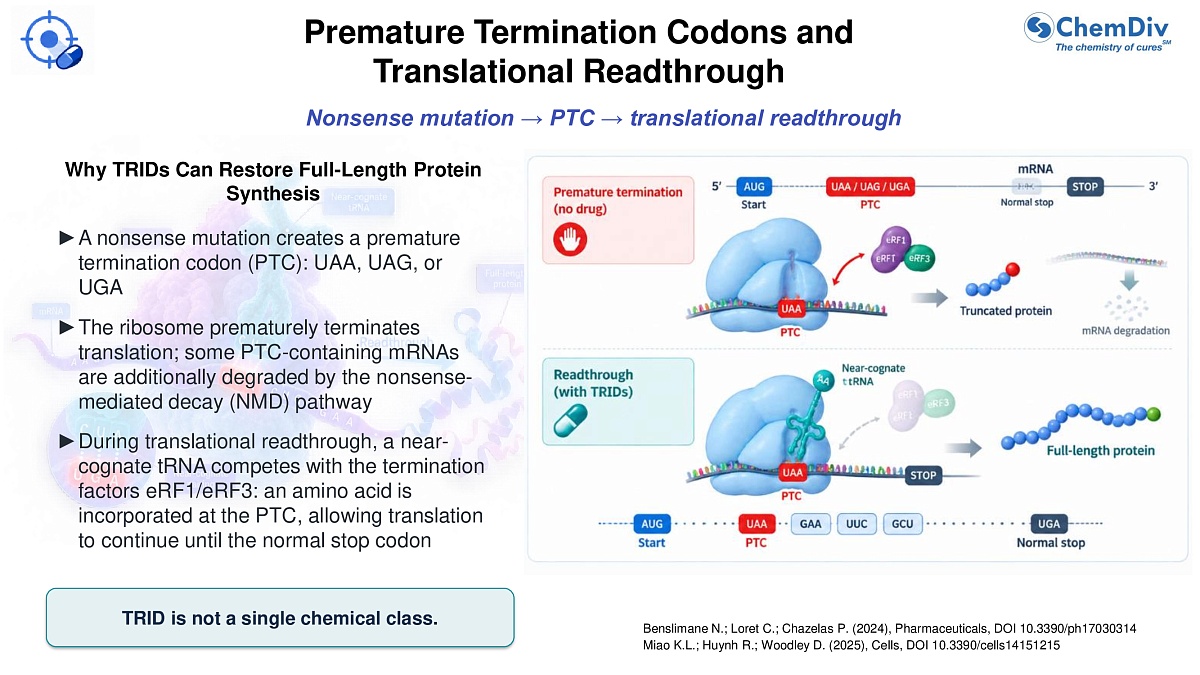
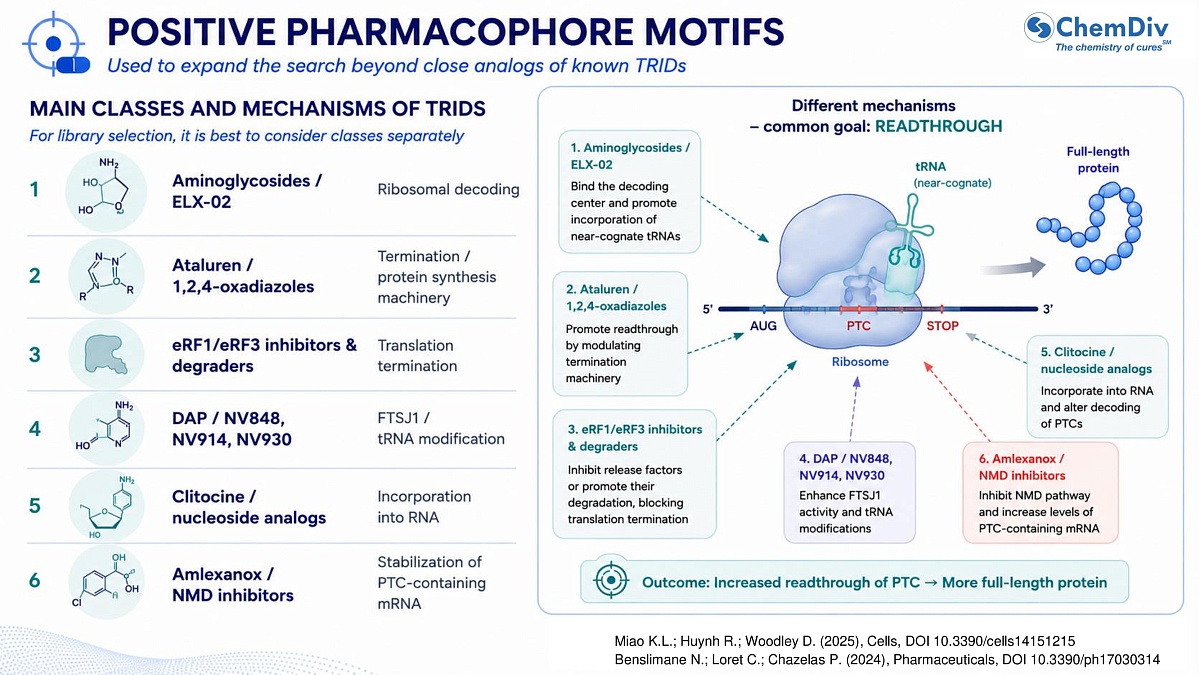
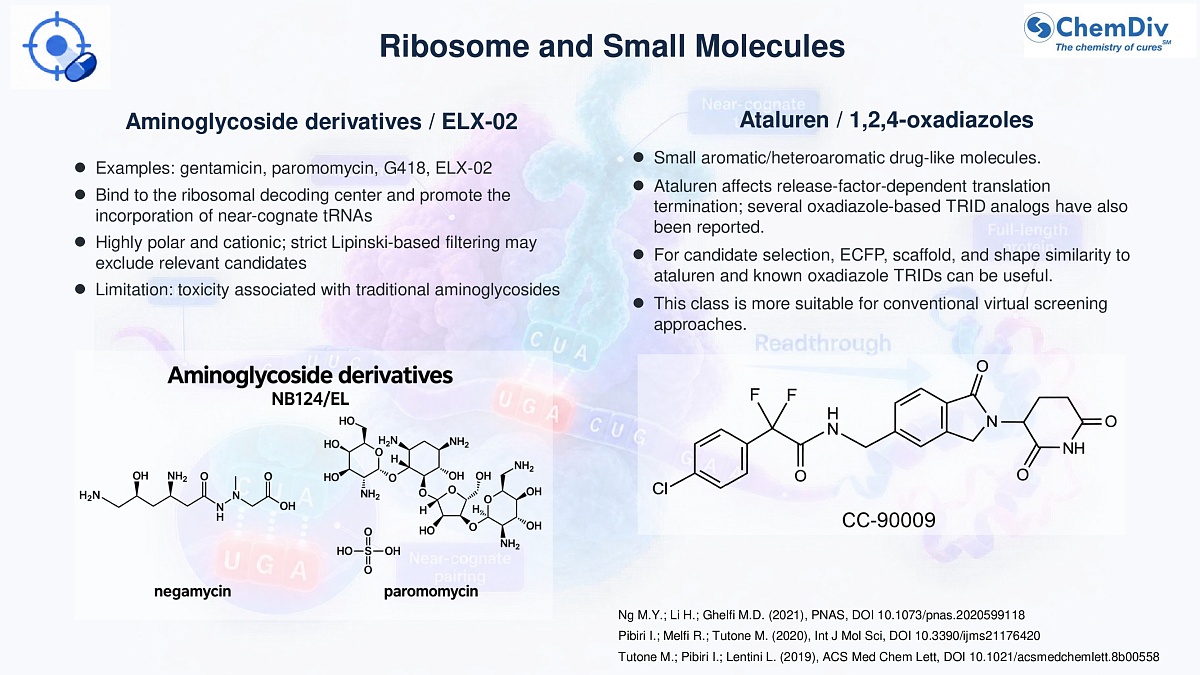
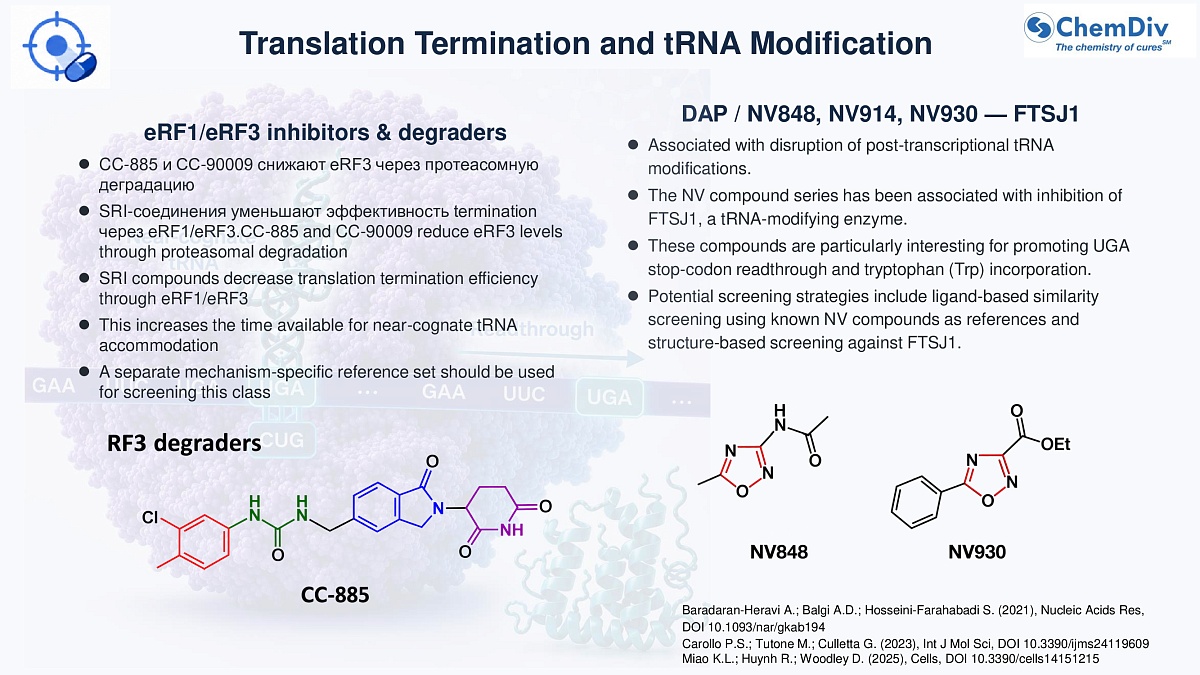
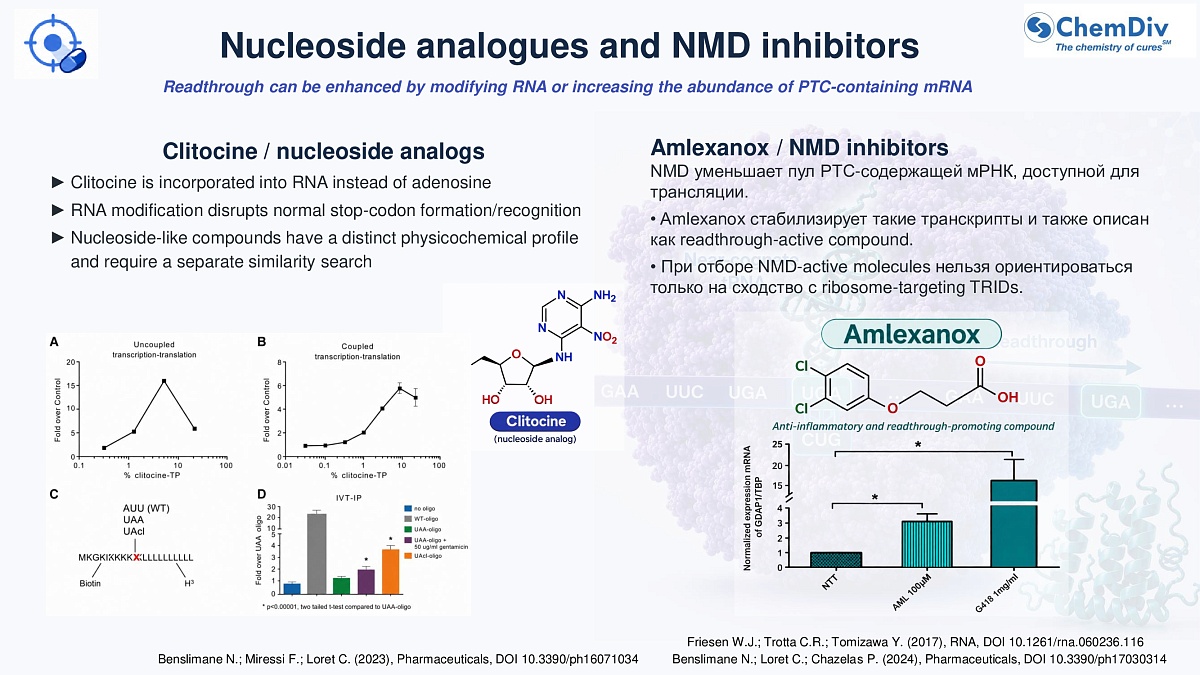
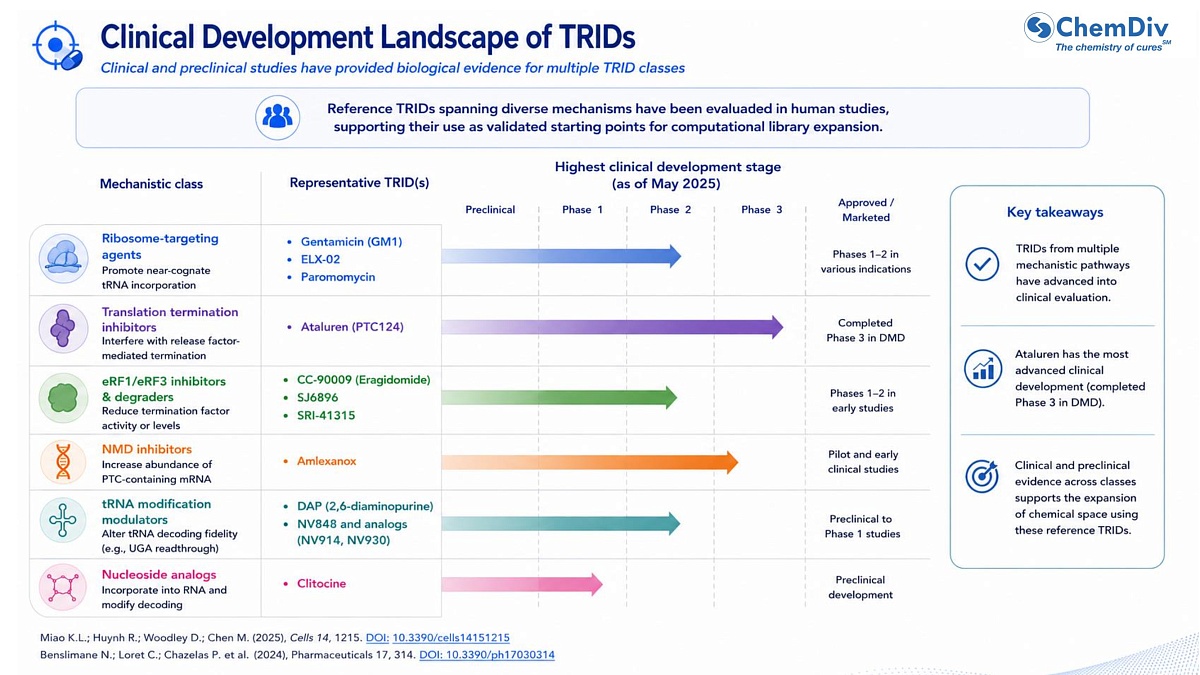
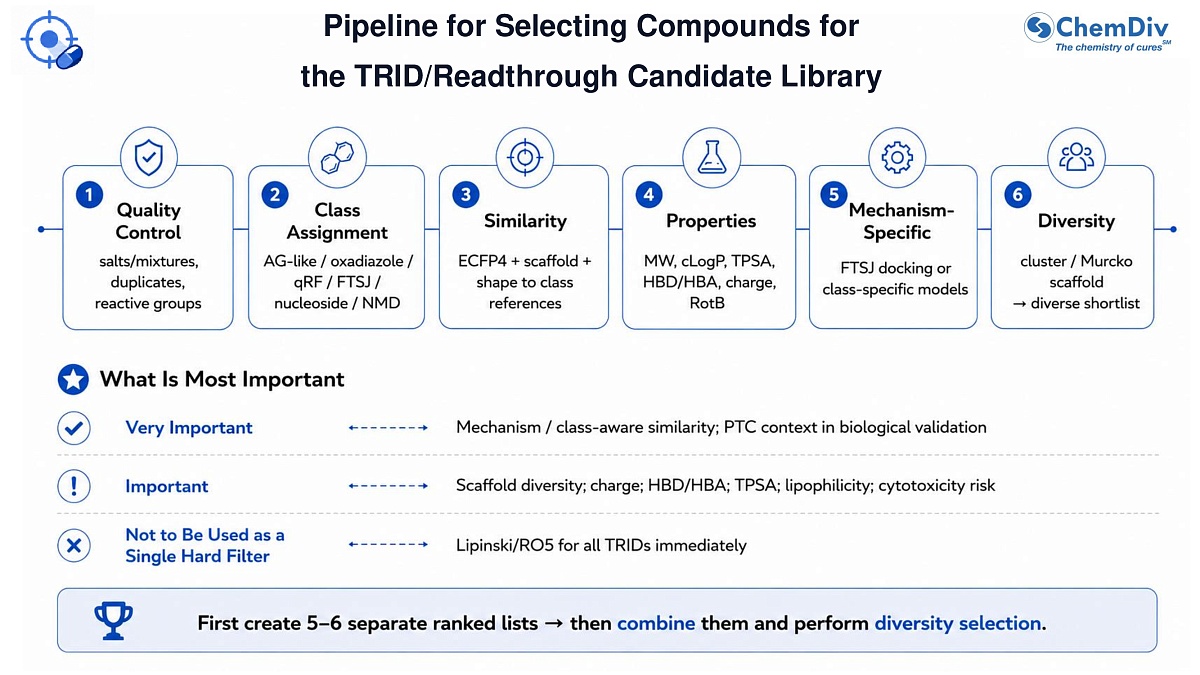
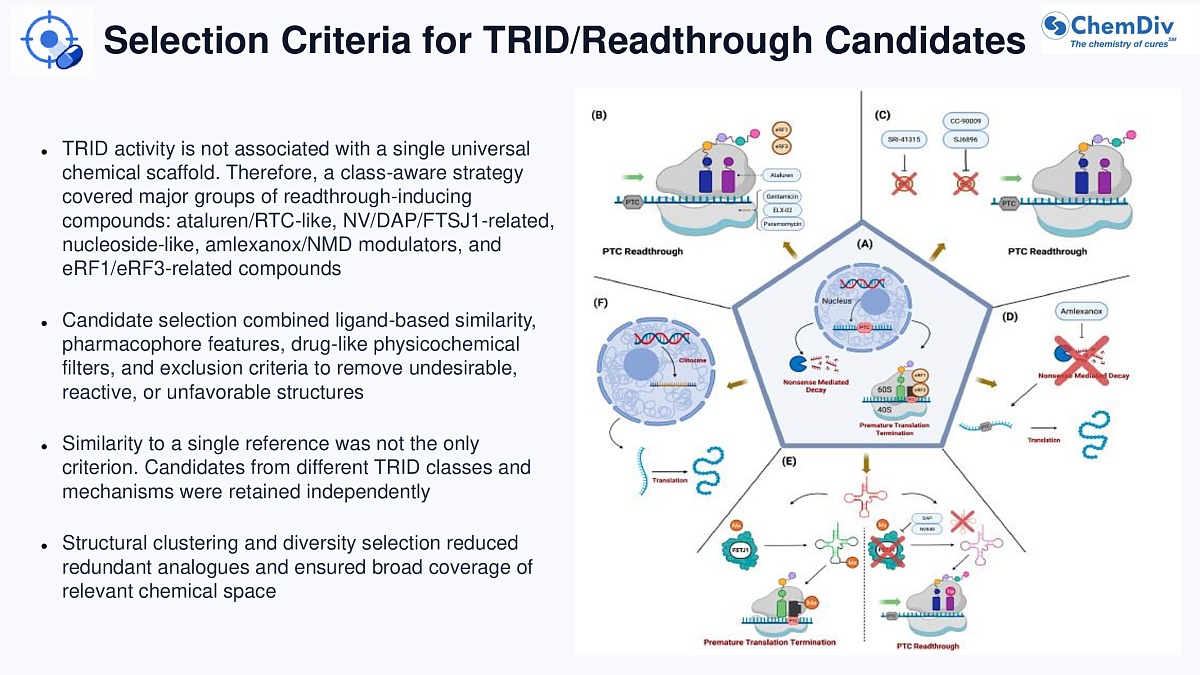
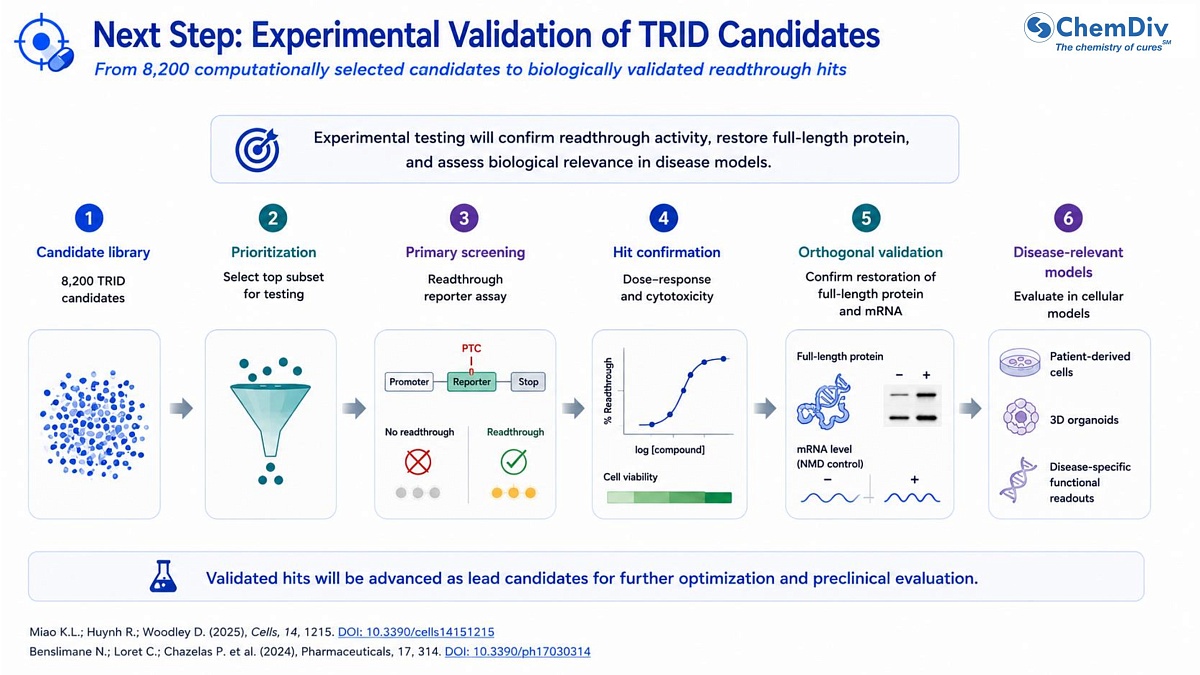
The TRID / Readthrough Candidate Library is a mechanism-informed, chemically diverse collection of 8,200 small molecules specifically selected to accelerate the discovery of pharmacological suppressors of premature termination codons (PTCs). Unlike a conventional drug-like screening library, the collection is enriched for chemical space associated with established and emerging readthrough mechanisms while maintaining sufficient scaffold diversity to enable the discovery of novel chemotypes. Biological Rationale. Nonsense mutations introduce premature termination codons (UAA, UAG or UGA) into coding sequences, resulting in truncated proteins and frequently triggering nonsense-mediated mRNA decay (NMD). Pharmacological induction of translational readthrough offers a strategy to enable near-cognate tRNA incorporation at the PTC and restore production of full-length protein. Because readthrough can be modulated at several levels of the translation pathway, the library was designed around multiple complementary mechanisms rather than a single target. Its reference space encompasses compounds acting on ribosomal decoding, translation termination, tRNA modification and fidelity, and NMD. This mechanistic diversity is intentionally reflected in the chemical composition of the library, linking distinct molecular scaffolds and physicochemical profiles to complementary biological routes for promoting PTC readthrough. The chemical space is informed by established and emerging TRID concepts, including aminoglycoside and ELX-02-related readthrough agents, ataluren/RTC-like compounds, eRF1/eRF3 modulators, DAP- and NV-series compounds associated with tRNA modification and FTSJ1-dependent translation fidelity, NMD modulators such as amlexanox, and nucleoside-like readthrough agents including clitocine. Chemically Focused — Without Restricting Discovery. Unlike a conventional screening collection, the library is selectively enriched for known TRID-associated chemotypes, structurally related analogs and scaffold-diverse candidates. This strategy combines exploitation of experimentally supported readthrough chemical space with exploration beyond established TRID scaffolds, increasing the opportunity to identify both improved analogs and previously unexplored chemotypes. Selection integrates molecular similarity to reference TRIDs, pharmacophore and structural-motif recognition, physicochemical properties, chemical quality, liability filtering and scaffold diversity. Particular attention is given to heteroaromatic systems, oxadiazole/isoxazole-like motifs, purine- and nucleoside-like structures, amide/urea/carbamate-containing compounds, halogenated aromatic systems and other features represented in known readthrough-active chemical series. Importantly, the library is not restricted by a single universal Lipinski-style filter. Distinct physicochemical regions are retained for polar purine-, nucleoside- and basic-amine-like compounds, reducing the risk of eliminating mechanistically relevant TRID candidates solely because they fall outside conventional small-molecule property space. Designed for Experimental Screening. By integrating biological mechanism, TRID-associated chemical space, physicochemical suitability and scaffold diversity, the library concentrates a broad chemical starting space into 8,200 high-priority candidates for experimental readthrough screening. The collection is designed for cell-based PTC-readthrough assays, reporter systems, mechanism-specific secondary screening and subsequent hit expansion. This focused design supports both the identification of improved analogs of established TRIDs and the discovery of structurally novel readthrough-active compounds, providing an efficient starting point for hit identification, biological validation and subsequent lead optimization.
Library Selection Criteria: TRIDs are considered functional inducers of translational readthrough in nonsense mutations, rather than a single chemical class. The reference chemical space includes known TRID classes: aminoglycosides and ELX-02 analogs; ataluren/RTC-like small molecules; inhibitors or degraders of the translation termination factors eRF1/eRF3; tRNA-modification inhibitors DAP and NV848/NV914/NV930 associated with FTSJ1/tRNA fidelity and particularly UGA readthrough; NMD inhibitors; and nucleoside analogs, including amlexanox and clitocine. Selection Strategy: Selection was performed using an integrated scoring approach combining similarity to known TRID prototypes, the presence of pharmacophoric features characteristic of the TRID chemical space, compliance with a drug-like property window for non-aminoglycoside TRIDs, and exclusion of structures associated with increased chemical reactivity or toxicological risk. Similarity, pharmacophore features, ADMET/drug-like properties, and scaffold diversity were also incorporated into the selection. The core reference space included ataluren/RTC-like compounds, NV848/NV914/NV930-like compounds, DAP-like purine analogs, amlexanox-like NMD/readthrough modulators, and selected eRF1/eRF3-related chemotypes. For the NV-like series, priority was given to oxadiazole/five-membered heterocycles, acetamide/carbamate/benzamide substituents, F/CF₃/halogenated aryl groups, with additional control of molecular size and lipophilicity. The primary physicochemical window was:
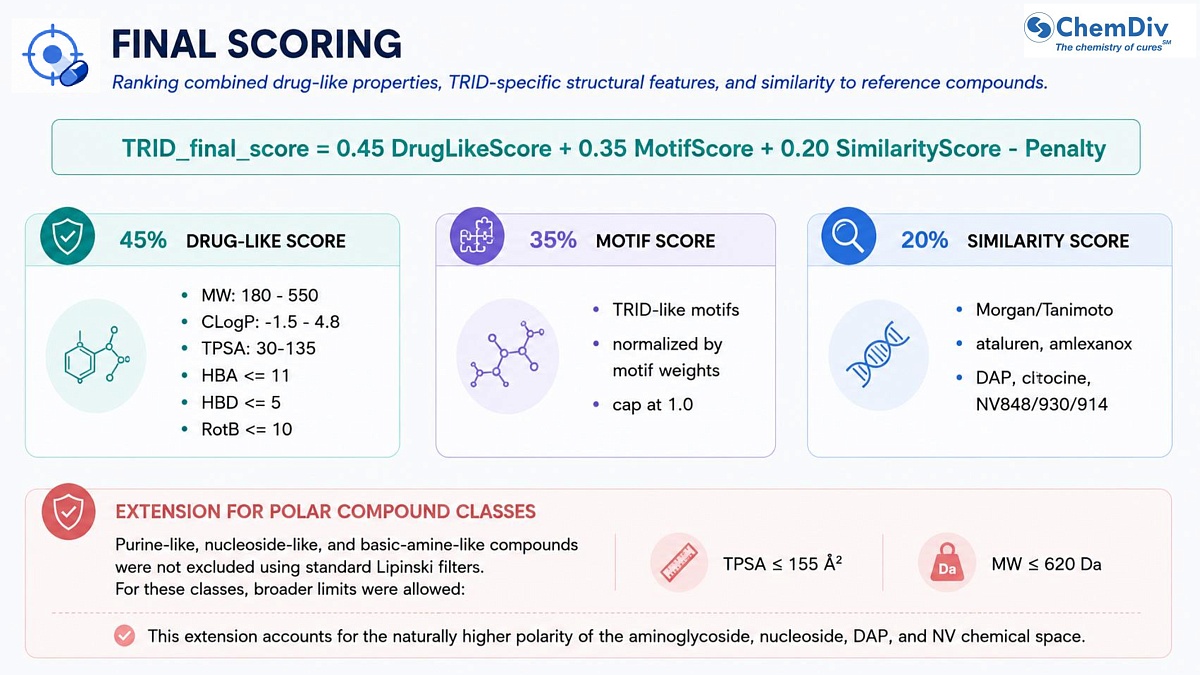
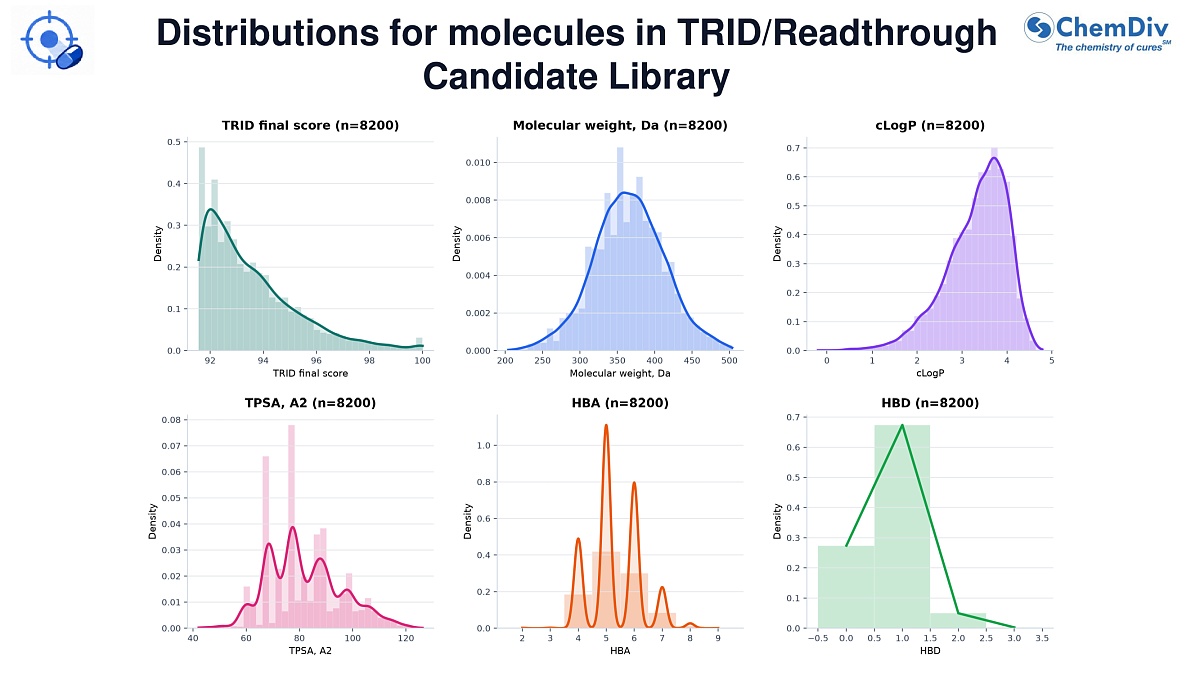
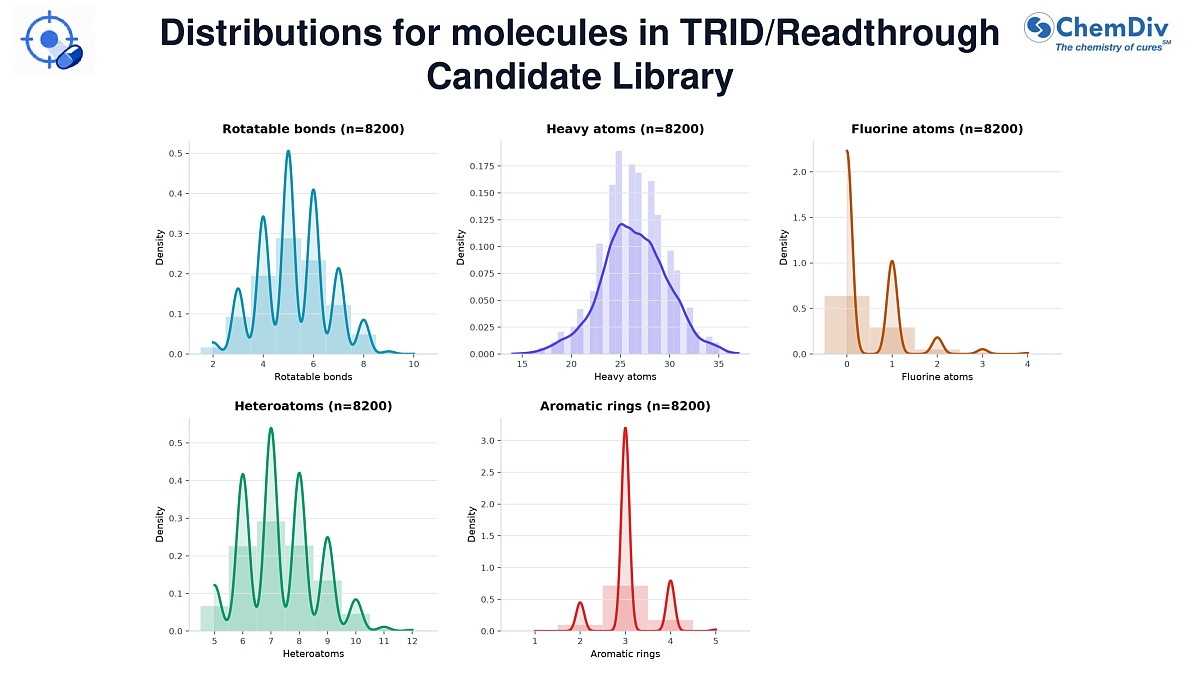
TRID_final_score = 0.45 DrugLikeScore + 0.35 MotifScore + 0.20 SimilarityScore - Penalty 1) WindowPenalty = 0 if the molecule passes the selection window WindowPenalty = 20 if the molecule does not pass the selection window. 2) DrugLikeScore = ( 1.2 MW_score + 1.1 cLogP_score + 1.0 TPSA_score + 0.8 HBA_score + 0.8 HBD_score + 0.7 RotB_score + 0.5 HeavyAtom_score ) / 6.1 DrugLikeScore descriptor ranges:
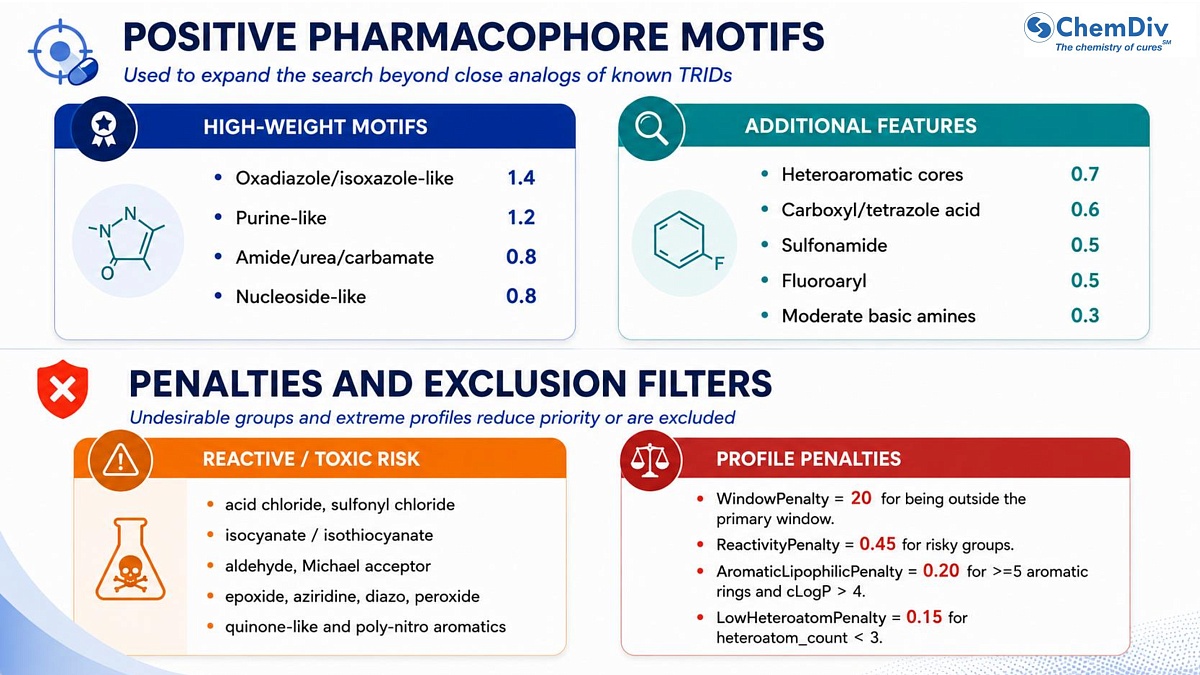
3) MotifScore = min(1.0, SumMotifWeights / 2.7) Motif weights: oxadiazole/isoxazole-like — 1.4, purine-like — 1.2, heteroaromatic — 0.7, amide/urea/carbamate — 0.8, carboxyl/tetrazole acid — 0.6, sulfonamide — 0.5, nucleoside-like — 0.8, fluoroaryl — 0.5, basic amine — 0.3. 4) Similarity was calculated against the reference compounds ataluren, amlexanox, DAP, clitocine, NV848, NV930, and NV914. SimilarityScore = min(1.0, Tanimoto / 0.42) 5) Penalty = ReactivityPenalty + AromaticLipophilicPenalty + LowHeteroatomPenalty ReactivityPenalty = 0.45 if reactive or toxicologically undesirable groups are detected: acid chloride sulfonyl, chloride isocyanate isothiocyanate aldehyde Michael, acceptor epoxide aziridine diazo peroxide quinone-like structures, poly-nitro aromatic patterns. AromaticLipophilicPenalty = 0.20 if aromatic_rings >= 5 and cLogP > 4 LowHeteroatomPenalty = 0.15 if heteroatom_count < 3 For purine-, nucleoside-, and basic-amine-like compounds, a broader polar chemical space was allowed, with TPSA up to 155 Ų and MW up to 620 Da, to avoid losing aminoglycoside-like, nucleoside-like, and DAP/NV-related candidates.
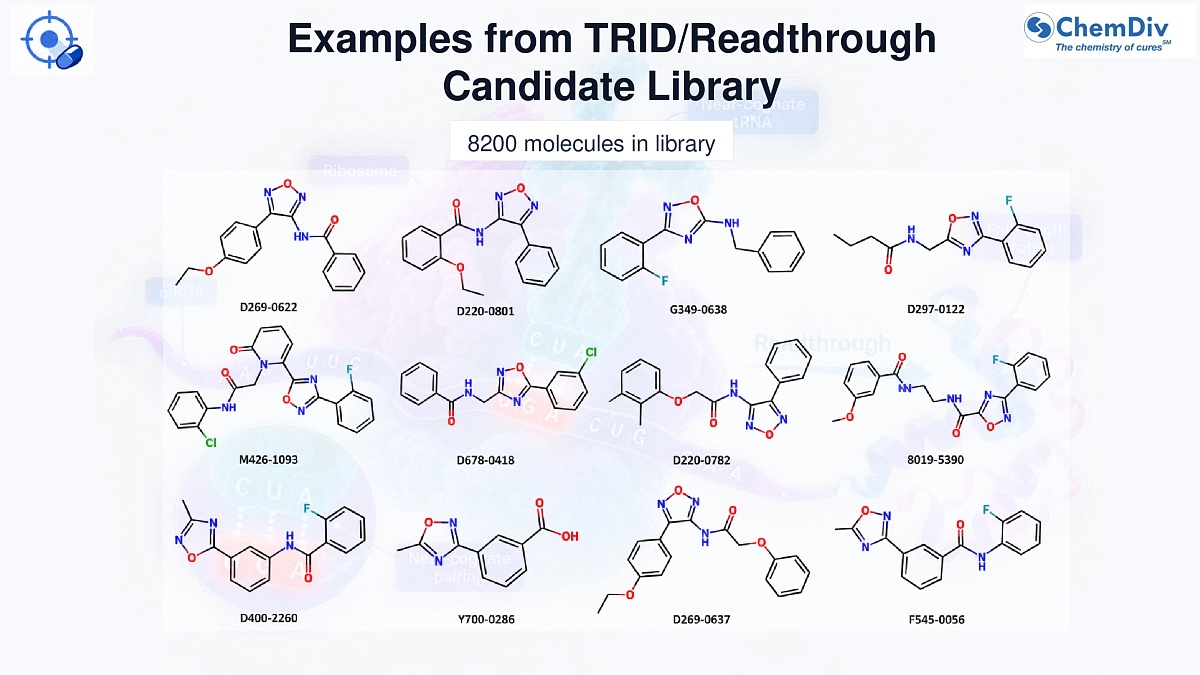
Molecules in library:
Molecules in library:

Distributions of molecules in library:

