



ALS in small group
New drug may slow progression of ALS in small group of patients: Study
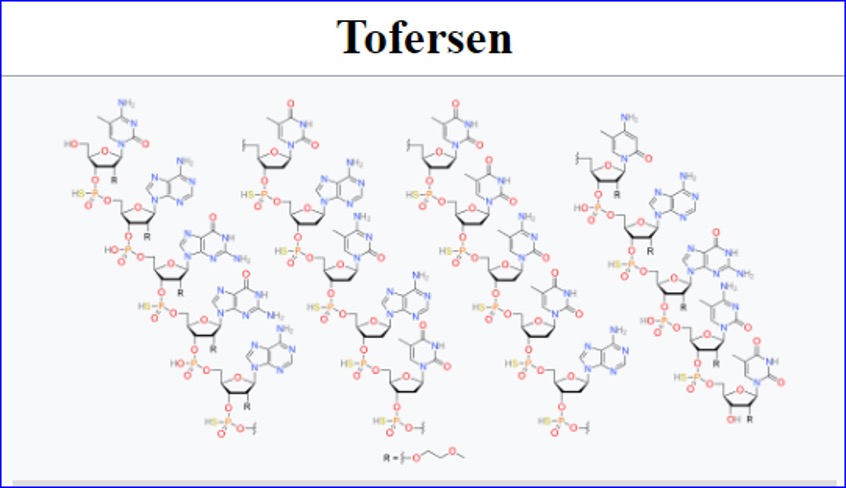
A new drug may slow progression of -- and even reverse -- symptoms of a rare form of amyotrophic lateral sclerosis, or ALS, a new study published Monday finds. The drug, tofersen (Qalsody), targets a very specific mutation -- SOD1 -- which applies to only 2% of the ALS population. The drug targets a specific mutation that applies to only 2% of ALS patients.
Among this group, the drug has the potential to slow muscle degeneration by targeting SOD1 mRNA, genetic material that tells the body how to make proteins, and reduces the proteins being made.
ALS patient is 1st to control iPad by thought with implantable brain sensor. The study, a phase III randomized controlled clinical trial, is an extension of the trial that earned Food and Drug Administration approval for tofersen in 2023.
Dr. Timothy Miller, the David Clayson professor of neurology at Washington University School of Medicine in St. Louis, told ABC News the results are encouraging after many studies and clinical trials over decades showed little to no effect at treating ALS."This is the first study where we see a really dramatic stabilization and slowing," he said. "I think we know from this study that some forms of ALS are treatable."
ALS is a neurological disorder that affects nerve cells in the brain and spinal cord that control voluntary muscle movement and breathing. As the nerve cells -- called motor neurons -- degenerate, they stop sending messages to the muscles. This causes the muscles to weaken and waste away, according to the National Institute of Neurological Disorders and Stroke (NINDS).
ALS patients eventually stop being able to control voluntary movement, including walking, talking and chewing, as well as breathing. NINDS said ALS is a progressive disease, meaning the symptoms worsen over time. There is currently no known cure. The new drug tofersen, also known by the brand name Qalsody, is administered by injection into the spinal cord through lumbar puncture to treat ALS patients.
Results, published in the medical journal JAMA, found that more than 20% of patients who received tofersen at the start of the trial had improved strength and function at three years. Miller said seeing not just stabilization, but also improvement, was "eye-catching" and "wowing."
Patients who received tofersen early had a 48% reduction in risk of death within six months compared to patients who received the placebo and started later. While this drug only benefits a small number of ALS patients, Miller said the trial results are important because they show that targeting the underlying genetic cause can meaningfully slow disease progression and, in some cases, restore lost function, especially as the number of patients with ALS increases.
The Centers for Disease Control and Prevention (CDC) estimates that there are about 34,000 people in the U.S. living with ALS. A CDC study earlier this year estimates the projected number of cases of ALS to rise in 2030 by more than 10% to more than 36,000 cases. The largest increase is expected to occur in the population aged 66 and older, with a 25% increase from about 16,000 cases in 2022 to about 20,500 cases in 2030.