



Trial complexity grows amid shift in R&D focus, legislation and tech advances
Click to view quick news summary (Spoiler)
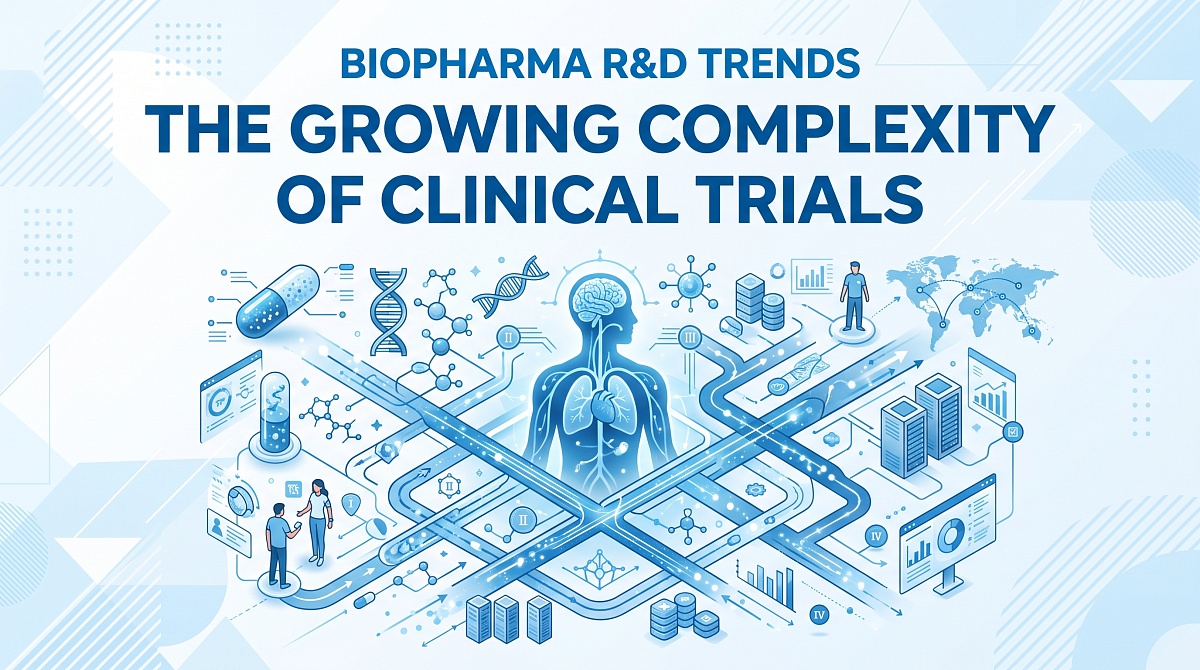
Clinical trial complexity and costs are increasing due to the industry's focus on hard-to-treat therapeutic areas and the tendency to collect excessive non-essential data using modern digital health tools.
Growing complexity is often cited as a challenge for the trials sector, partly driven by biopharma’s shift toward hard-to-treat diseases. However, another factor making trials harder is the practice of gathering non-core data, researchers say. Estimates vary, but most observers agree it costs between $2 billion and $2.6 billion and takes 10 to 15 years to develop a biopharmaceutical, a considerable proportion of which is spent on clinical trials.
Trials are expensive, in part, because they are technically challenging, according to recent analysis by investment bank Bourne Partners, which suggests that the growing focus on difficult diseases is a root cause. Head of research Donald Hooker told BioXconomy, “Sponsors continue to struggle with increasing clinical trial complexity and rising drug development costs. A larger driver of the increasing complexity is therapeutic mix. For instance, oncology, central nervous system disorders, and infectious diseases are increasingly dominating the clinical trial pipeline. Each of these therapeutic categories brings with it significant complexity and data management challenges,” he said.
In the US, recent legislative measures – such as the One Big Beautiful Bill Act and the Inflation Reduction Act – are also impacting the types of diseases developers target, according to Hooker. “Recent legislation incentivizes investments in biologics and orphan drugs, which tend to be more complex than more simple small molecule drugs,” he said.
Self-induced complexity
Another factor making trials more complex is technology, which is making it easier to collect more non-core data. Hooker told us, “In our opinion, there seems to be a growing recognition among biopharma executives that we speak to that at least some of the rising complexity of clinical trials is ‘self-induced,’ due to the collection of superfluous data that is unrelated to key endpoints.”
He cited analysis by the Tufts Center for the Study of Drug Development, which showed that over a third of the data collected in clinical trials today is deemed to be either “non-core” or “non-essential” in nature, to support Bourne’s take. “In our view, this simply reflects a tendency among pharma researchers to want to collect every piece of conceivable data to be able to answer every conceivable question. This has been enabled by the adoption of clinical trial-related software coupled with increasingly easy access to internet-connected wearables and mobile devices,” Hooker said.
He continued, “To some degree, the more data, the better. However, we believe that a lot of the industry’s current data collection is ultimately not used (or needed) in the final clinical study report, and the pursuit of this data is creating burdens on patients, sites, and sponsors.”