



GLP-1 Agonists: Neuroprotection & Dementia Prevention Study
This Diabetes Drug May Help Prevent Dementia, Landmark Study Finds
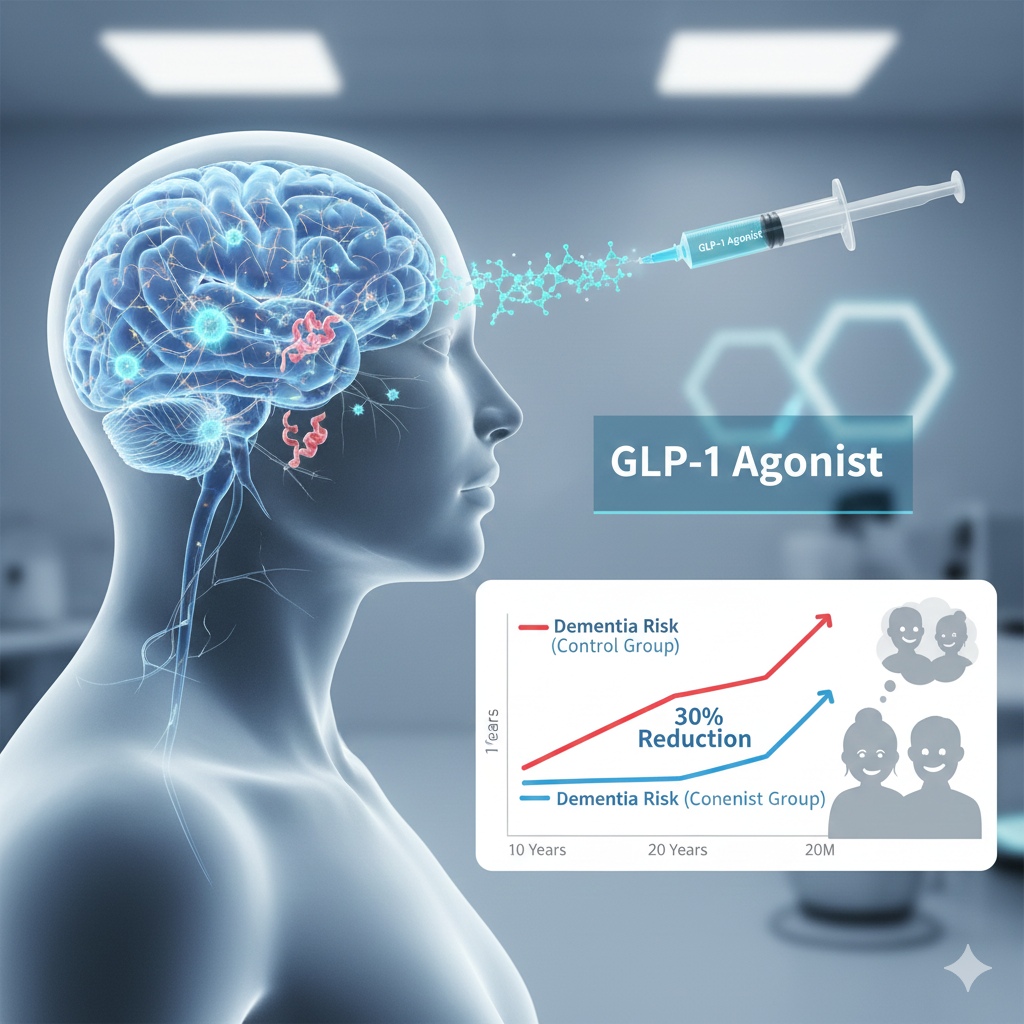
A groundbreaking longitudinal study from the Karolinska Institutet in Sweden indicates that GLP-1 agonists may serve as a powerful neuroprotective shield, significantly reducing the risk of dementia in patients with type 2 diabetes.
The intersection of metabolic health and cognitive preservation has become one of the most vital areas of pharmaceutical research. People with type 2 diabetes face a significantly higher probability of developing dementia—a devastating condition affecting memory, executive function, and daily autonomy. This study provides clinical evidence that the current generation of GLP-1 medications does more than stabilize blood sugar; they may actively preserve brain architecture.
The Science of Neuro-Metabolic Protection
GLP-1 (glucagon-like peptide-1) agonists have already transformed the landscape of weight management and cardiology. However, their ability to modulate the cAMP/PKA signaling pathway and cross the blood-brain barrier suggests they act as potent growth factors for neurons. By reducing neuroinflammation and oxidative stress, these drugs could potentially arrest the early stages of neurodegeneration.
Study Analysis: 30% Risk Reduction
Researchers employed a "target trial emulation" framework, analyzing a cohort of 88,000 older adults over a decade. This method provides the statistical rigor of a clinical trial using real-world patient data, making the conclusions highly actionable for drug developers and clinicians.
Comparative Clinical Outcomes:
- ✓ GLP-1 Agonists vs. Sulfonylureas: A staggering 30% decrease in dementia incidence.
- ✓ GLP-1 Agonists vs. DPP-4 Inhibitors: A 23% lower risk profile, highlighting the unique neuro-efficiency of GLP-1 analogs.
ChemDiv Insight: Targeting the Neuro-Metabolic Axis
At ChemDiv, we are actively supporting partners in exploring the next generation of molecules targeting metabolic-driven neurodegeneration. Our research services focus on the following key chemical and biological targets:
- GLP-1R & GIPR: Dual and triple agonists for enhanced blood-brain barrier penetration.
- DPP-4 Inhibition: Optimizing selectivity to maximize endogenous GLP-1 levels in the CNS.
- AMPK Activators: Targeting cellular energy homeostasis to prevent neuronal apoptosis.
- SGLT2 Inhibitors: Investigating their secondary effects on cerebral vascular health.
- IRS-1 Signaling: Restoring insulin sensitivity in the aging brain.
- MAPK Pathways: Modulating neuroinflammatory responses linked to metabolic dysfunction.
ChemDiv’s vast chemical libraries and expertise in CNS drug discovery accelerate the path from metabolic observation to dementia-modifying therapy.