



Novartis drug reduced inflammation markers in Phase II study
Click to view quick news summary (Spoiler)
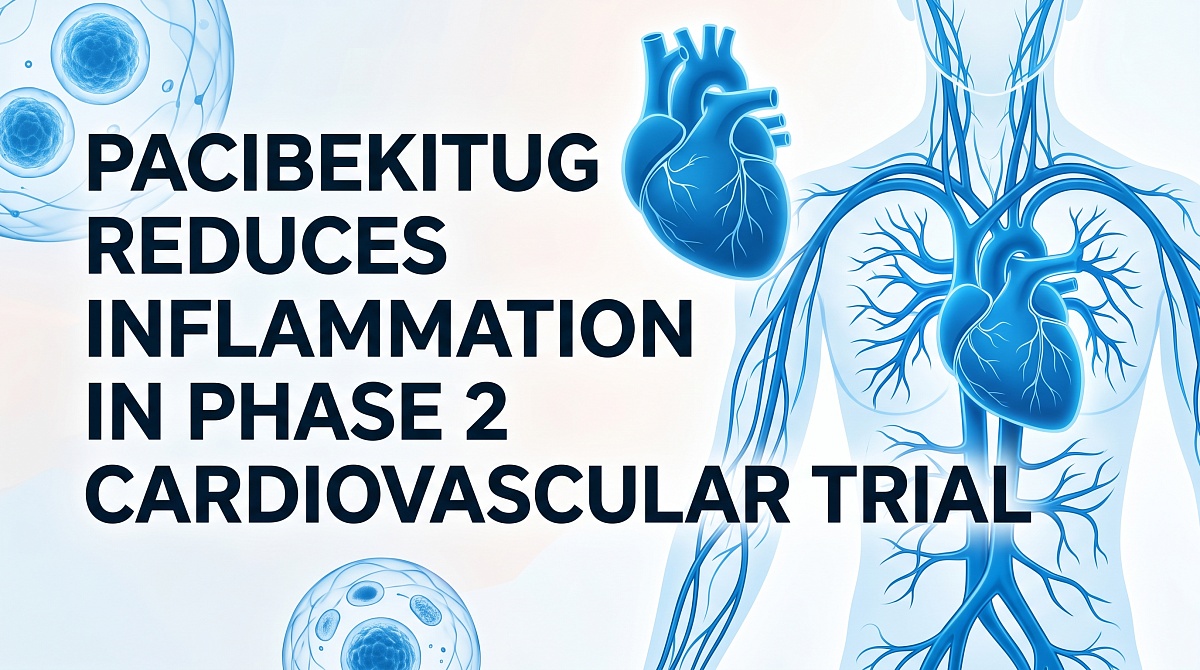
Pacibekitug, an IL-6 targeting antibody from Novartis, successfully demonstrated dose-dependent reductions in inflammation biomarkers during the Phase II TRANQUILITY study.
Pacibekitug, a drug recently acquired by Novartis, demonstrated sustained reductions in inflammation biomarkers in the Phase II TRANQUILITY study. As STAT News reports, the results were presented on Saturday at the annual meeting of the European Society of Cardiology in Munich.
Addressing hypertension, smoking, diabetes, high cholesterol levels and obesity is known to reduce cardiovascular risk, but these factors only account for around half of the global burden of cardiovascular disease.
Inflammation is increasingly recognized as an important contributor to cardiovascular disease. Despite standard therapies, around 30% of patients with atherosclerotic cardiovascular disease and around 40% of those with concomitant chronic kidney disease are at high inflammatory risk, based on elevated levels of the marker, high-sensitivity C-reactive protein (hs-CRP).
Reduction in inflammation markers
Researchers reported dose-dependent reductions in biomarker levels by some measures: higher doses were associated with more pronounced reductions. This is an indication that the drug has a biological effect.
Pacibekitug is an antibody targeting interleukin-6, or IL-6. This protein is involved in regulating immune responses and is a common driver of inflammation.
Further development
The drug is being considered as a potential treatment for cardiovascular disease. At the same time, it remains to be determined whether reducing signs of inflammation can improve heart health outcomes. Experts are awaiting information on Novartis' plans for the next stages of pacibekitug's development for cardiovascular use.