



Oral namodenoson for pancreatic cancer to advance in clinical testing
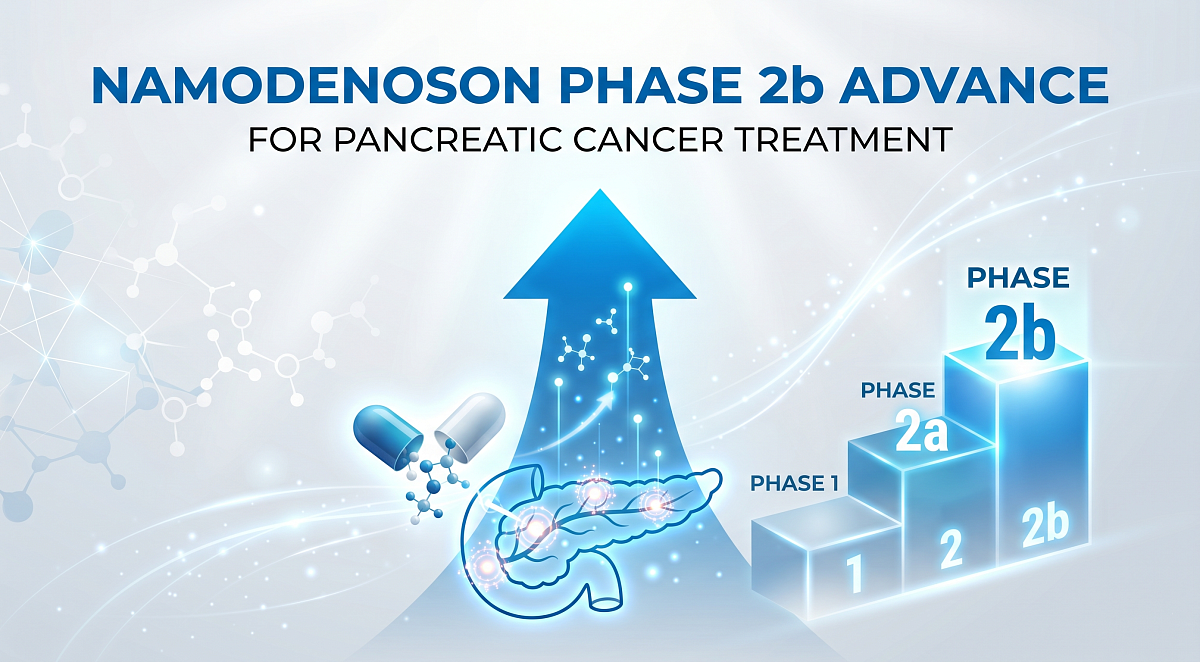
Following “encouraging findings” from an early study, Can-Fite Biopharma is planning a clinical trial to test its oral therapy candidate namodenoson (CF102) — now as a combination treatment with immunotherapy — in people with advanced pancreatic cancer.That’s according to a company press release announcing that the Israel-based developer will advance its experimental therapy into a Phase 2b trial based on positive data from the small Phase 2a study.
“We are encouraged by the emerging data from our ongoing pancreatic cancer study and believe the advancement into a combination Phase 2b trial represents an important next step in the development of Namodenoson for this devastating disease,” said Salomon Stemmer, MD, leader of the ongoing Phase 2a study and a professor at the Davidoff Institute of Oncology of the Rabin Medical Center in Israel.
Mechanism of Action and Therapeutic Focus
Namodenoson is a small molecule designed to activate a protein called the A3 adenosine receptor (A3AR).In pancreatic cancer cells, activation of this protein receptor can trigger programmed cell death, known as apoptosis.
Can-Fite is now running clinical trials testing the therapy for potential use in pancreatic cancer, as well as certain liver diseases, namely liver cancer and MASH (metabolic dysfunction-associated steatohepatitis), which is marked by liver inflammation and scarring due to an abnormal buildup of liver fat.
The Burden of Pancreatic Cancer
Pancreatic cancer is a rare form of cancer that begins in the pancreas, an essential organ involved in digestion and blood sugar control, but can spread, or metastasize, to other parts of the body.The disease can cause symptoms such as abdominal pain, nausea, fatigue, and jaundice, or a yellowing of the skin and eyes.However, diagnosing pancreatic cancer is difficult because most of its symptoms are unspecific and don’t become evident until the disease has already advanced significantly.
For the majority of patients, potentially curative surgery is no longer an option by the time the disease is diagnosed, so treatment aims largely to control symptoms and prolong survival.Pancreatic cancer accounts for about 3% of all cancer cases in the U.S., with an estimated 60,000 people diagnosed each year.While rare, it is the third leading cause of cancer deaths, with approximately 47,000 people dying from pancreatic cancer annually in the U.S.