



Parkinson’s research reaches “pivotal” stage, but barriers remain
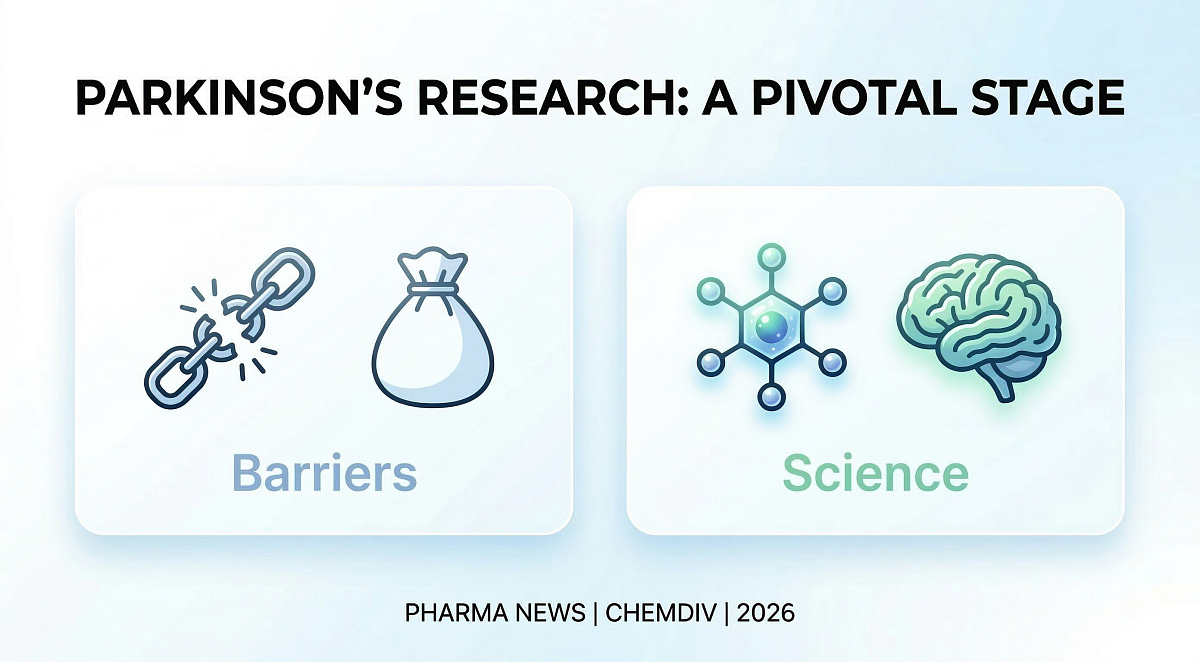
Improvements testing models and the understanding of Parkinson’s disease will help guide future drug development in the indication. Preclinical and clinical research focused on Parkinson’s disease has reached a “pivotal point”, but funding barriers and outdated clinical trial approaches remain critical barriers to innovation, says a field expert.
“We know so much more about what causes Parkinson’s now, so there is a strong stream of therapeutics making their way through the pipeline,” David Dexter, head of research at non-profit Parkinson’s UK, tells Clinical Trials Arena.
Alongside this progress, Dexter notes that the space now has access to better models, like patient-derived induced pluripotent stem cells (iPSCs), which can be used to test and evaluate a novel therapy’s clinical benefit and better guide the drug development process.
This growth will be welcome news for the 10 million patients living with Parkinson’s worldwide, as the current standard of care (SoC) revolves around symptom management with levodopa, which has remained the gold standard treatment option since its approval over five decades ago. Since the dopamine precursor’s market debut, there has been little change in the treatment landscape, and there are no disease-modifying therapies (DMTs) currently approved for Parkinson’s. While researchers and drugmakers begin to make headway in better characterising the disease and testing potential DMTs, Dexter says that multiple factors should be addressed to facilitate continued progress in the space.
Addressing the Parkinson’s funding landscape
As drugmakers and researchers gain ground in Parkinson’s development, Dexter believes that capital allocation towards the space is more important than ever. “Currently, funding to deliver these therapies through the development pipeline to patients’ hands is lacking – primarily due to previous failures in Parkinson’s programmes across the wider pharma landscape,” Dexter notes.
To address these early-stage economic challenges, Parkinson’s UK created the Virtual Biotech scheme, which allocates capital to companies or institutions developing both potential DMTs and symptomatic therapies that the organisation deems promising. This includes therapies in the post-target validation and preclinical stages, as well as clinical-stage therapeutics up to the Phase II mark, says Dexter. “We step in at the seed and Series A investment stages to take these projects on, derisk them and take them further down the drug development pipeline,” he explains. When selecting a project, Dexter notes that Parkinson’s UK is generally target agnostic, with the organisation opting to go “where the best science is, as long as there is good validation for the approach”. This has led the company to fund programmes running across the UK, Australia, Finland and the US.
Catering treatment to patient needs remains critical
Like many neurodegenerative diseases, Parkinson’s is highly heterogeneous, which can complicate the drug development process. One of the barriers, Dexter says, is that there are most likely subtypes of Parkinson’s, which means you must identify which patient populations a drug may be suitable for. Dexter also notes that treating non-motor symptoms like anxiety, depression, insomnia or cognitive decline in Parkinson’s – which can all place a significant burden on patient health and quality of life – remains a major gap.
When addressing both symptoms and disease progression in Parkinson’s, Dexter does not foresee the development of a “single magic bullet” that will stop the disease in its tracks.
“It may be a combination of drugs bringing together multiple therapeutic approaches that will best benefit patients,” he says. “It’s the right time for Parkinson’s, as we now have tests that can identify, with good predictability, if someone is going to develop Parkinson’s in the next 10 to 15 years.”