



How AI May Revolutionize the Pharmaceutical Industry
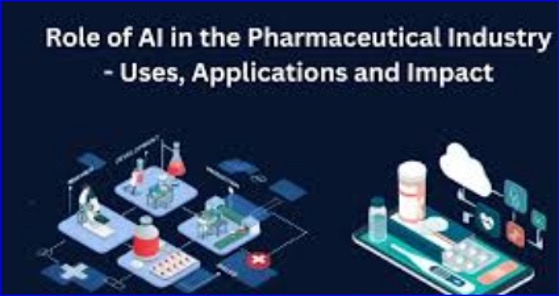
Many companies and businesses have viewed artificial intelligence (AI) as a tool for amplifying efficiency, such as automating simple tasks and making backend projects more efficient.
However, AI can also be used to foster innovation in a variety of different industries. One such industry may be the world of pharmaceuticals.
This topic was discussed at length during an episode of the MFS All Angles Podcast. During the episode, host Sean Kenney sat down with Matthew Scholder, co-CIO of Equity at MFS Investment Management.
As part of the conversation, Kenney asked Scholder what benefits the pharmaceutical industry could see as part of AI adoption. Scholder noted that AI can certainly help with back office operations and regulatory paperwork. HOwever, on a more exciting note, the technology may be able to help with drug development.
Accelerating the Drug Development Process
Scholder explained that at times, despite understanding how a disease functions, scientists struggle to develop a drug that consistently targets the right molecules to prevent the disease from spreading. However, with AI, chemists may be able to more efficiently design molecules that can reach their targets.
That’s not the only way AI could help speed up the drug development process. As Scholder noted, companies could leverage their own internal patient and clinical data in order to create new versions of preexisting drugs. Alternatively, AI programs could utilize that data to research if any preexisting drugs could be deployed or modified to combat other illnesses or conditions
AI may also have a crucial role to play in helping get drugs to market, as well. If AI speeds up the pace of drug development, it could lead to more drugs making it to market yearly. As he noted, this could have interesting ripple effects on both drug pricing, healthcare budgets, and more.
New Portfolio Opportunities
All in all, the variety of different AI applications for pharmaceutical development could provide many compelling portfolio opportunities for advisors and investors alike. After all, both AI and pharmaceutical stocks stand to benefit from these kinds of innovations.
“It’s what excites me as an investor, because again, coming back to where we started, what’s the most important thing for a drug analyst to focus on? New drugs,” added Scholder. “What could change that? AI in drug development. So we’re spending a lot of time trying to understand it, trying to dig into it, because if we can understand those trends and increase our probability of identifying those big new drugs as they come to market, we’re going to hopefully find stocks that outperform for our clients.”