



DSMB Recommends Continuing 60 Degrees’ Tafenoquine Trial for Chronic Babesiosis
Click to view quick news summary (Spoiler)
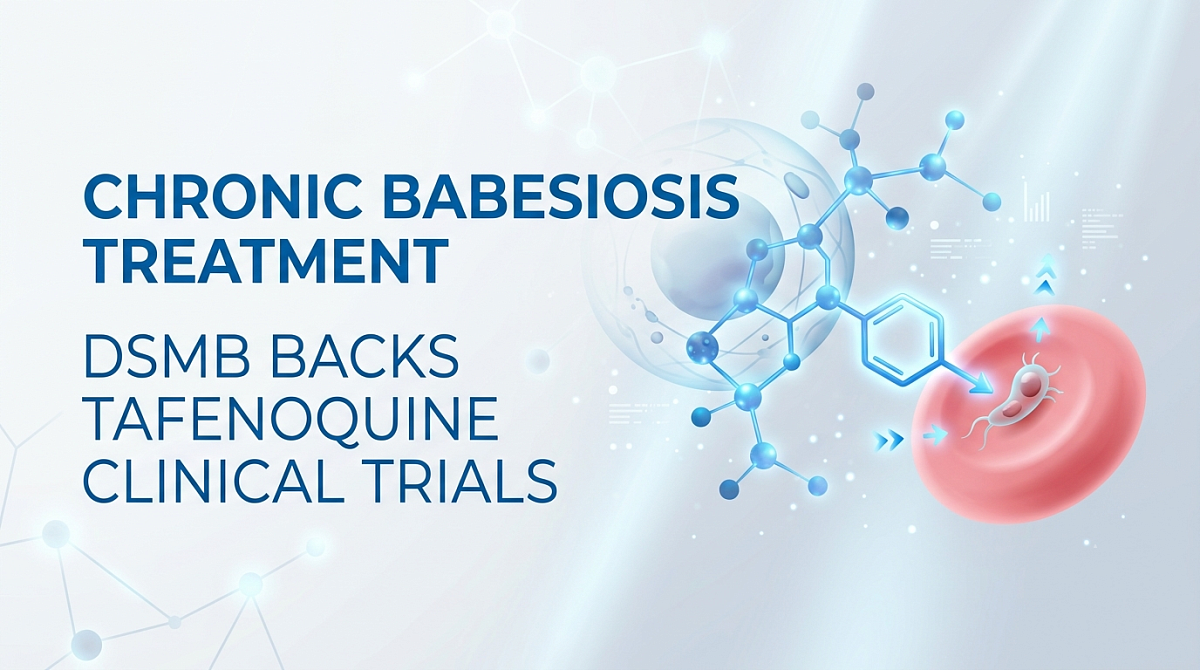
Following a successful safety review of its first six patients, 60 Degrees Pharmaceuticals received the green light to proceed with its Phase 2 study evaluating tafenoquine as a much-needed treatment for chronic babesiosis.
A six-patient interim look is a small data set, but a DSMB’s unanimous continuation vote after reviewing safety through Day 30 is exactly the signal a small-cap company needs to keep an underfunded rare-disease program alive. 60 Degrees Pharmaceuticals reported this week that the independent monitoring board for its B-FREE Phase 2 study found no safety concerns and recommended the trial continue enrolling patients with chronic babesiosis and severe, persistent fatigue.
The drug under investigation is tafenoquine, already approved as ARAKODA for malaria prophylaxis in the United States, and the dosing regimen being tested here (200 mg daily for four days, then 200 mg weekly through Day 90) maps closely to that existing label, which is a meaningful procedural and safety anchor for investigators.
The B-FREE study design carries some important nuances. It is open-label, enrolling up to 100 patients, with the minimum efficacy threshold set at 16 participants who had Babesia infection confirmed at baseline via validated molecular tests. That relatively low confirmatory floor reflects how difficult this population is to identify and enroll. The primary endpoint is fatigue resolution measured by the multidimensional fatigue inventory general fatigue subscale at Day 90 versus baseline, in patients who have had significant functional impairment for at least six months.
Patient-reported outcome measures are notoriously sensitive to placebo effects in open-label designs, and that methodological tension will likely define how rigorously any positive efficacy signal is received by the broader clinical community. The therapeutic context matters greatly. Babesiosis management currently relies on off-label combination regimens, most commonly atovaquone plus azithromycin or clindamycin plus quinine, per CDC clinical care guidelines, with no drug specifically approved by the FDA for the indication.
The chronic fatigue phenotype being studied in B-FREE is even less characterized, with the company hypothesizing that persistent Babesia infection complicates recovery in patients with dysregulated immune systems. Incidence is not trivial either: CDC surveillance data recorded more than 16,000 reported cases across 37 states between 2011 and 2019, and 60 Degrees estimates minimum annual incidence at 25,000 cases, with the true burden likely higher given underreporting of chronic presentations.
Tafenoquine’s approximately 16-day terminal half-life is what makes a once-weekly maintenance schedule pharmacologically credible for a protozoan infection requiring sustained suppression. The one concrete marker to track from here is whether the trial reaches its 16-patient confirmed-infection threshold on schedule, because that number determines whether the study produces any regulatory-quality efficacy argument at all, regardless of what the fatigue scores eventually show.