



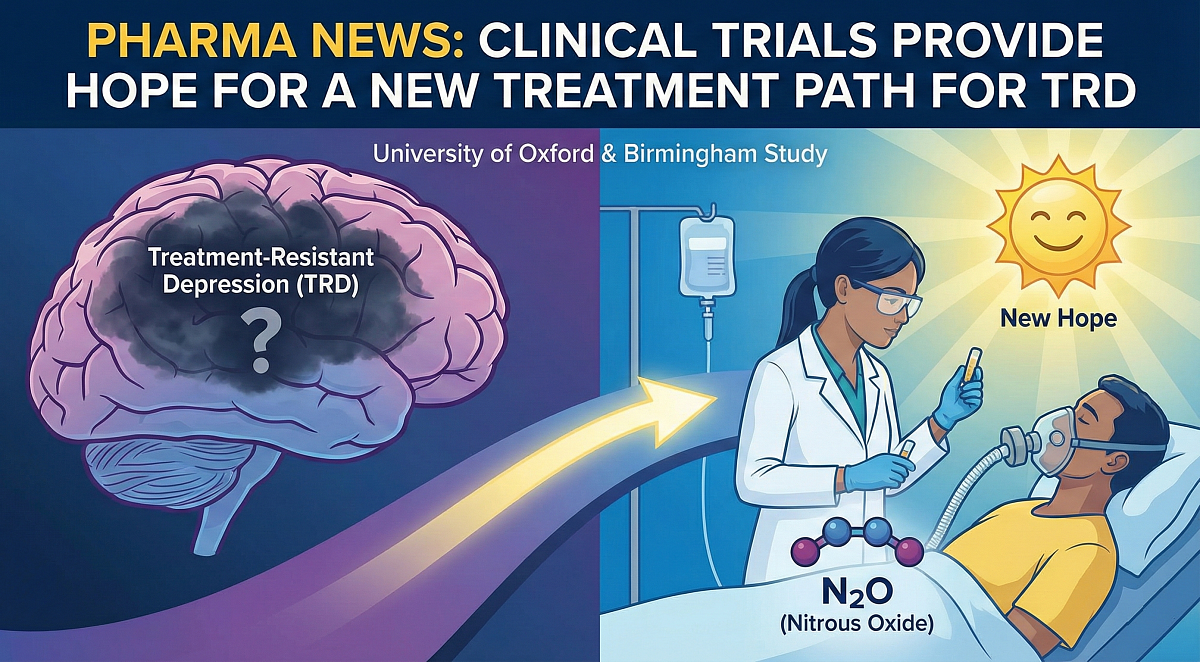
Treatment-resistant depression (TRD) is surprisingly prevalent, with 48% of patients suffering from this form of depressive disorder, causing clear negative consequences on their wellbeing and quality of life. Diagnosed after a patient sees little to no improvement after trying two different antidepressants, in the UK alone, nearly half of patients with depression are eventually diagnosed with TRD.
It all sounds quite bleak, but in good news, researchers from the University of Oxford and the University of Birmingham – together with Birmingham and Solihull Mental Health NHS Foundation Trust – have collaborated on a novel approach. Their proposed treatment pathway is controversial, but it shows promising results.
Their review, which was recently published in the journal eBioMedicine, assessed global reports and trials in which nitrous oxide (otherwise known as ‘laughing gas’) was used to treat various depressive disorders.
Promising Results for Non-Responders
The results are promising for those who see little to no improvement with traditional antidepressants. In fact, the researchers concluded that clinically-administered nitrous oxide delivered in multiple doses over several weeks showed sustained improvements in mood for the participants, though a single treatment did not provide lasting relief.
The researchers conclude that further research and clinical trials are required before this pathway is recommended. However, they note that – with the exception of some mild and temporary side effects, including nausea, headaches, and dizziness – there appeared to be no immediately apparent safety concerns.
With this in mind, nitrous oxide could one day be part of the plethora of treatment options that those with depression are able to be prescribed.
Gill continued: “Our analyses show that nitrous oxide could form part of a new generation of rapid-acting treatments for depression. Importantly, it provides a foundation for future trials to investigate repeated and carefully managed dosing strategies that can further determine how best to use this treatment in clinical practice for patients who don’t respond to conventional interventions.”
For those who suffer from TRD and other depressive disorders, this represents promising news for future therapeutic interventions.