



Enzyme-Blocking Treatment Reverses Chronic Pain in Preclinical Study
- Institution: Virginia Tech
- Lead Scientist: Ann Gregus
- Target: Nociplastic Pain
- Approach: Enzyme-blocking
- Therapeutic: Non-opioid
Chronic pain affects more than 50 million Americans, yet for decades, treatment options for pain that persists in the absence of inflammation have been limited. Now, scientists at Virginia Tech have found a way to switch it off in female mice by blocking a single pathway using compounds developed at the National Institutes of Health's National Center for Advancing Translational Sciences.
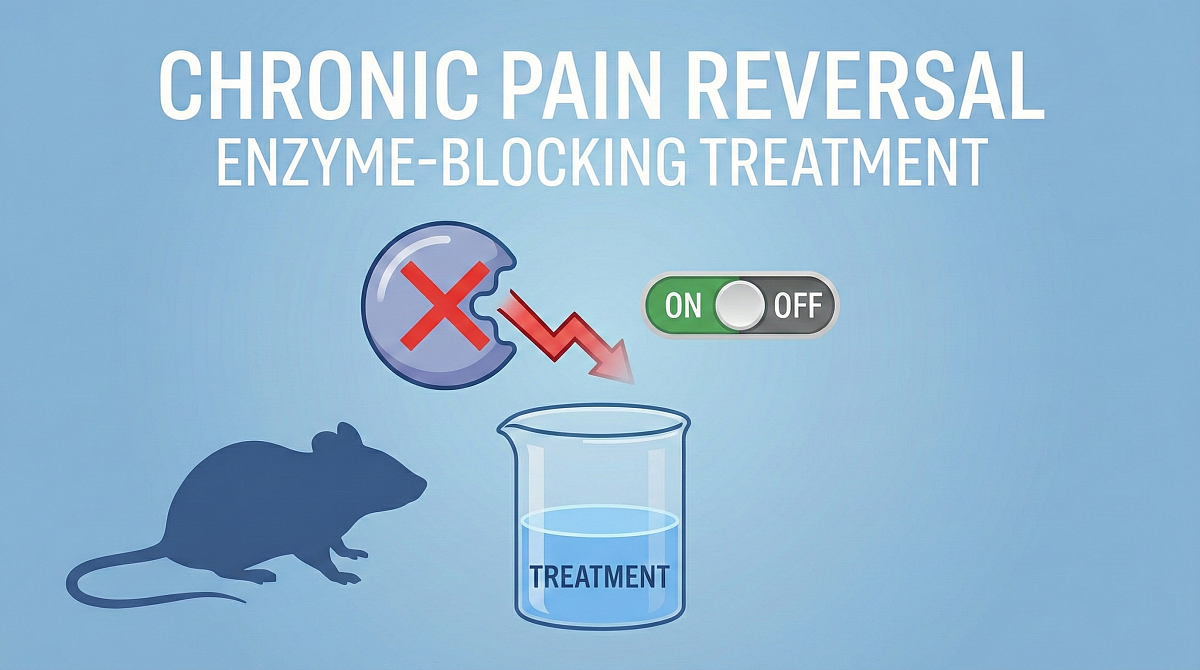
In a new study published in Pain, neuroscientist Ann Gregus and her team erased well-established pain behaviors by shutting down an enzyme system that produces molecules known to amplify pain signals. This finding could open the door to the first new class of non-opioid chronic pain treatments in years—a potential lifeline for patients whose symptoms defy standard drugs.
Reversing Established Pain States
— Ann Gregus, Assistant Professor, Virginia Tech College of Science's School of Neuroscience
Gregus works alongside her partner, lab co-director and co-author Matthew Buczynski. The study provides hope for people living with daily, persistent pain that does not respond to conventional treatments.
Targeting Nociplastic Pain
The study zeroed in on nociplastic pain, a poorly understood category that includes fibromyalgia, chronic low back pain, and some migraines. Unlike pain caused by injury or ongoing inflammation, nociplastic pain arises from changes in how the nervous system processes signals. These conditions are famously resistant to treatments such as nonsteroidal anti-inflammatory drugs (NSAIDs) and opioids are generally avoided due to risks of dependence and addiction.
While NSAIDs block certain inflammatory pathways, the Gregus lab's approach targets a different biochemical route that those drugs leave untouched. "What we're showing is that there is a clear biological mechanism—and one we can target," Gregus said.
Serendipity: Discovery in Female Mice
The team turned to a different strain of female mice due to pandemic supply shortages. This turned out to be a pivotal decision: these mice developed persistent, long-lasting pain behaviors, cold sensitivities, and grip force deficits typical of arthritis. "It was serendipity," Gregus noted, as the model gave clues about how pain transitions from acute to becoming chronic.
Results and Clinical Potential (Veralox Therapeutics)
To mimic nociplastic pain, the researchers used an immune challenge that activates an immune receptor in the spinal cord. Upon treatment administration with highly selective compounds that block parts of the enzyme system, tactile and cold pain hypersensitivity vanished, and grip strength returned.
One of the compounds tested is currently in Phase II clinical trials for another disease by Veralox Therapeutics. Because it already has human safety data, it could shorten the path to clinical trials for chronic pain.