



The FDA Reform Test: Deregulation vs. Rare Disease Pathways
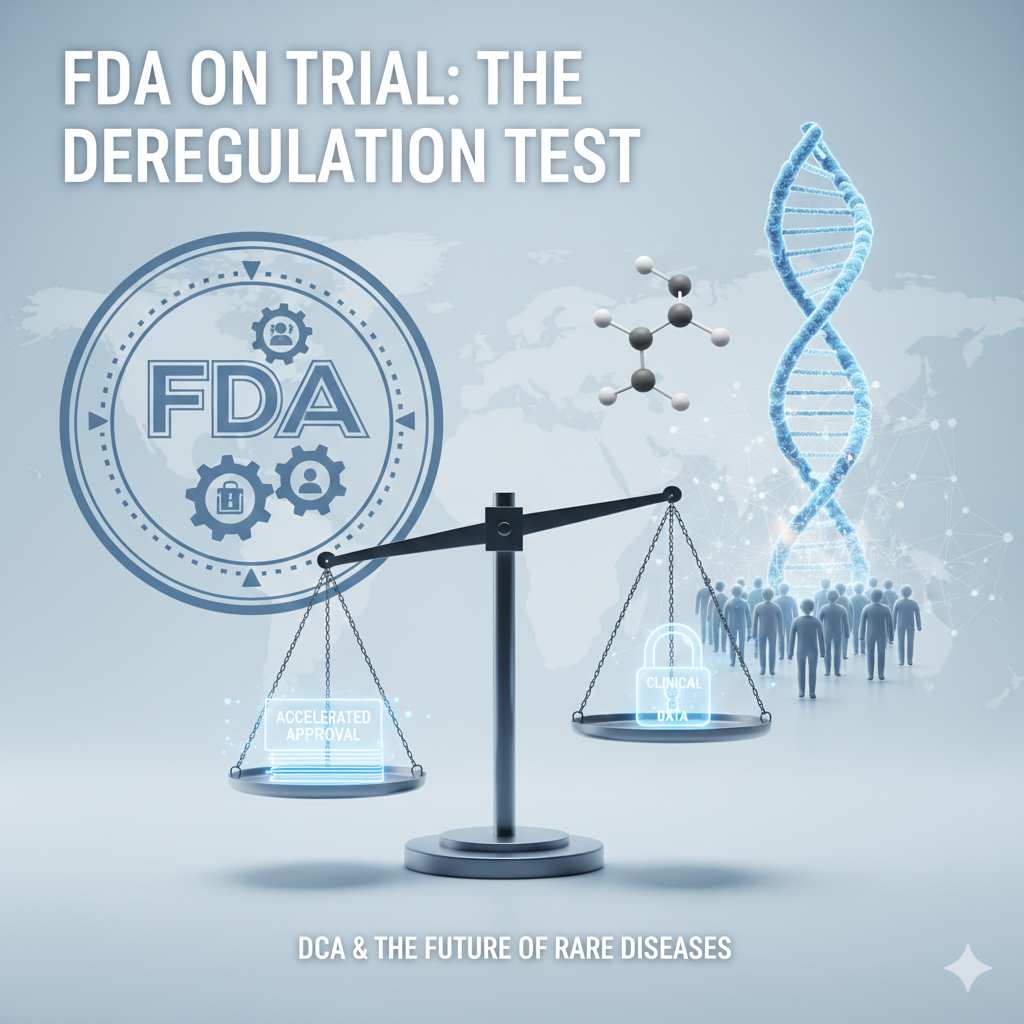
A Real Test for New FDA Reforms: Balancing Deregulation and Patient Safety
The landscape of national public health policy has undergone significant shifts in 2025. Under the leadership of HHS Secretary Robert F. Kennedy Jr., the FDA now faces a critical crossroad: will its new deregulatory pathways truly benefit patients with rare diseases, or will they fall prey to regulatory capture?
While the broader Department of Health and Human Services (HHS) made headlines with controversial stances on vaccines and food additives, the Food and Drug Administration (FDA) has quietly embarked on a series of ambitious reforms. These include banning certain food dyes, implementing stricter safety disclosures in drug advertising, and most notably, overhauling the drug approval process itself.
The Deregulatory Agenda: Speed vs. Oversight
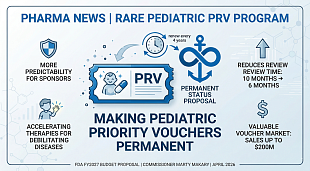
The agency is currently fast-tracking pathways for biosimilars, gene-editing treatments, and complex generics. Perhaps the most radical initiative is the "National Priority Voucher Program," which aims to approve new drugs in as little as 1–2 months using a "plausible mechanism pathway" powered by AI. While the goal is to bring life-saving treatments to market faster, critics worry about the potential for rent-seeking and the influence of record-breaking pharmaceutical lobbying observed in 2025.
Key FDA Reforms Underway:
- • Accelerated Biosimilar Approval: Opening pathways for more affordable versions of complex biologics.
- • AI-Driven Review: Utilizing "plausible mechanism" modeling to cut approval times from years to months.
- • Enhanced Safety Disclosures: New requirements for transparency in consumer drug advertising.
The PDCD Challenge: A Litmus Test for Reform
The ultimate test of these reforms lies in the treatment of rare conditions like Pyruvate Dehydrogenase Complex Deficiency (PDCD). PDCD is a genetic disorder (affecting 1 in 40,000 births) that prevents the body from converting carbohydrates into energy, leading to lethal lactic acid buildup. When it emerges in utero, it results in debilitating neurological conditions for infants.
Currently, Sodium Dichloroacetate (DCA) shows immense promise in absorbing carbohydrates and preventing fatal acid buildup. Despite peer-reviewed research and dozens of parent testimonies, DCA remains stuck in a regulatory gray area as an "investigational compound."
The Regulatory Catch-22
For ultra-rare diseases like PDCD, traditional large-scale clinical trials are nearly impossible to conduct. Without these trials, drugs like DCA struggle to receive Orphan Drug Status or "Right-to-Try" eligibility. In September 2025, despite priority consideration, the FDA rejected DCA, requesting further clinical data—a move that underscores the friction between traditional bureaucratic oversight and the new deregulatory goals.
"If new and/or accelerated pathways to drug approval can’t find room for DCA and what it represents, what exactly are these pathways for?"
Conclusion: Facing the Public Pressure
For the first time since the pandemic, the FDA is under immense pressure from both the medical community and the public to streamline its processes. A petition signed by over 80 prominent researchers has forced a new dialogue regarding DCA’s pathway. As the agency navigates these "National Priority" initiatives, the case of PDCD and DCA will reveal whether the FDA is truly committed to helping patients through genuine deregulation or if it will remain anchored in a system that inadvertently sidelines the rarest and most vulnerable.