



Combination Therapy Against Brain Cancer Proves Effective in Preclinical Models
Researchers at the UNC School of Medicine and the UNC Eshelman School of Pharmacy have announced a significant breakthrough in neuro-oncology. A study published in the Proceedings of the National Academy of Sciences (PNAS) reveals that combining the standard chemotherapy drug Temozolomide (TMZ) with a chemical compound called EdU (5-Ethynyl-2′-deoxyuridine) offers a potential paradigm shift in the treatment of glioblastoma.
Addressing the Glioblastoma Challenge
Glioblastoma multiforme (GBM) remains one of the most aggressive and lethal forms of brain cancer. For over 20 years, the standard of care has seen little evolution, leaving patients with a grim prognosis:
- Low Survival Rate: Only approximately 7% of patients survive more than five years post-diagnosis.
- Treatment Resistance: TMZ is currently the only FDA-approved chemotherapy for GBM, but tumors frequently recur with heightened resistance.
- Genetic Complexity: High mutation rates make "one-size-fits-all" therapies largely ineffective.
Mechanism of Action: Synergistic Cytotoxicity
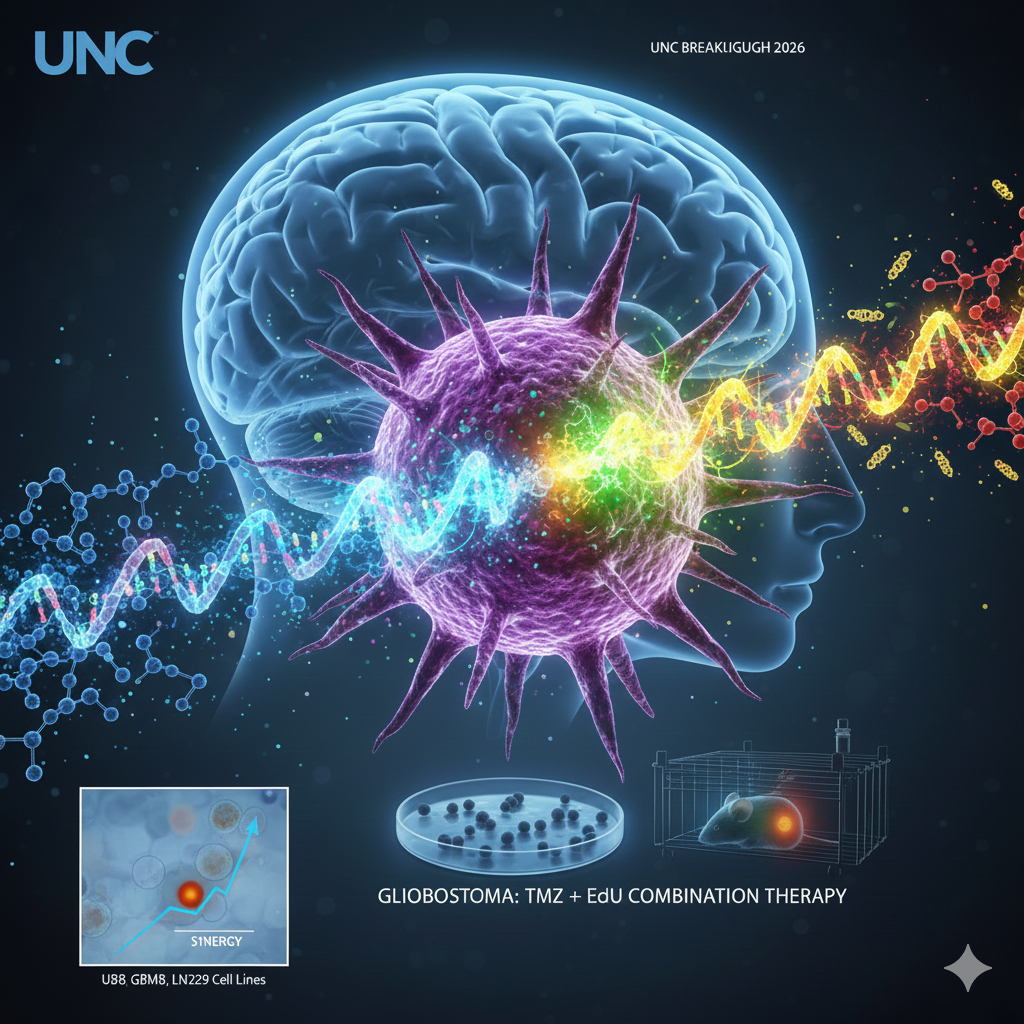
The research focused on the synergistic effects of TMZ and EdU. Unlike traditional monotherapies, EdU successfully crosses the blood-brain barrier and integrates into the DNA of rapidly dividing cancer cells. When administered alongside TMZ, the two drugs work in tandem to trigger apoptosis (cell death) within the tumor mass.
Testing in U87, GBM8, and LN229 cell lines confirmed that combined therapy is significantly more potent than TMZ or EdU alone.
Toxicity studies showed only mild, reversible changes in the spleen and blood, comparable to standard chemotherapy side effects.
Translational Potential for Oncology R&D
Using bioluminescent tracking in living models, researchers observed a dramatic reduction in tumor volume. Crucially, the study utilized actual tumors removed from glioblastoma patients, providing a high degree of translational relevance for future clinical trials.
For global drug discovery organizations like ChemDiv, these findings underscore the importance of combination therapy screening and the potential of modified nucleosides like EdU in treating CNS disorders. The ability to target aggressive brain tumors without harming vital brain structures represents a cornerstone for the next generation of oncology therapeutics.
The UNC study suggests that the "simple concept" of dual-action DNA disruption could finally break the 20-year stagnation in glioblastoma treatment.