




A new, highly accurate preclinical model to study sepsis and save lives
Click to view quick news summary (Spoiler)
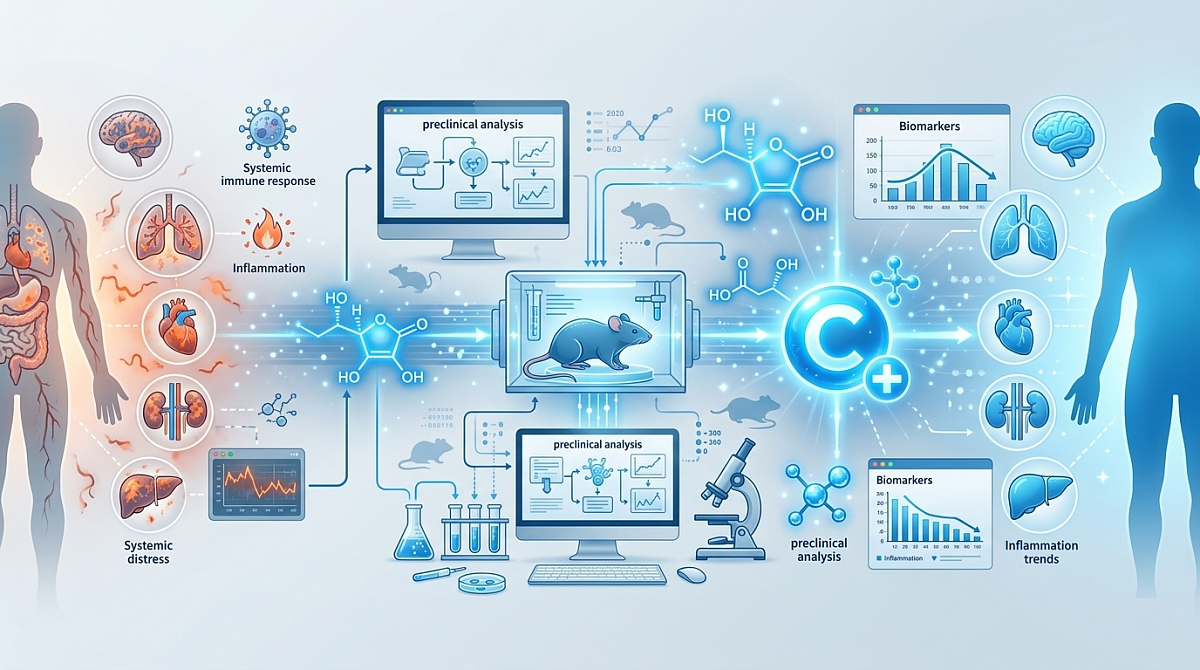
Monash University researchers have developed a clinically relevant preclinical sepsis model using patient-isolated E. coli and standard hospital care frameworks. This highly accurate model is currently being utilized to investigate whether sodium ascorbate (pH-balanced Vitamin C) can effectively reverse organ damage and limit disease progression.
Sepsis is a life-threatening health emergency that occurs when the body’s immune system overreacts to an infection, causing it to attack its own tissues and organs. It accounts for approximately one-third of all deaths worldwide and leaves many survivors with reduced quality of life and long-term health problems. Despite how common and fatal it can be, current treatments including antibiotics and fluids remain largely supportive in nature and no treatments exist to limit disease progression.
Why has there been a lack of progress in developing more sophisticated treatments? It’s the fact that traditional sepsis models do not use infections observed in patients or include standard hospital care. In a new study, researchers led by Dr Cameron Bastow, Research Fellow, at the Centre for Inflammatory Diseases in the School of Clinical Sciences at Monash Health, developed a new clinically-relevant model of sepsis utilising a strain of E coli bacteria isolated from a patient with sepsis. By incorporating standard clinical treatments including antibiotics and fluid resuscitation in their model, they observed similar disease outcomes and organ damage to clinical sepsis.
This model, published in a special collection in Intensive Care Medicine Experimental, is now being used in MRFF-funded research to reveal if sodium ascorbate (a pH-balanced form of Vitamin C) could be an effective treatment for sepsis.
Tracking the Cytokine Storm and Systemic Failure
The study tracked what happened inside the body during sepsis, revealing the development of a ‘cytokine storm’, a massive inflammatory reaction that damages various organs including the liver and kidneys, two organs that commonly fail during sepsis. The inclusion of antibiotics and fluids in the sepsis model allowed these organs to heal, significantly improving disease outcomes in the model. However, researchers also observed persistent blood and immune system problems seven days after the infection, similar to chronic health issues that plague sepsis survivors.
Dr Bastow said of the success of the study, “We hope our new sepsis model encourages other research groups to adopt more clinically relevant practices into their sepsis studies, strengthening the collective effort to find new sepsis treatments that genuinely improve patient outcomes.”