




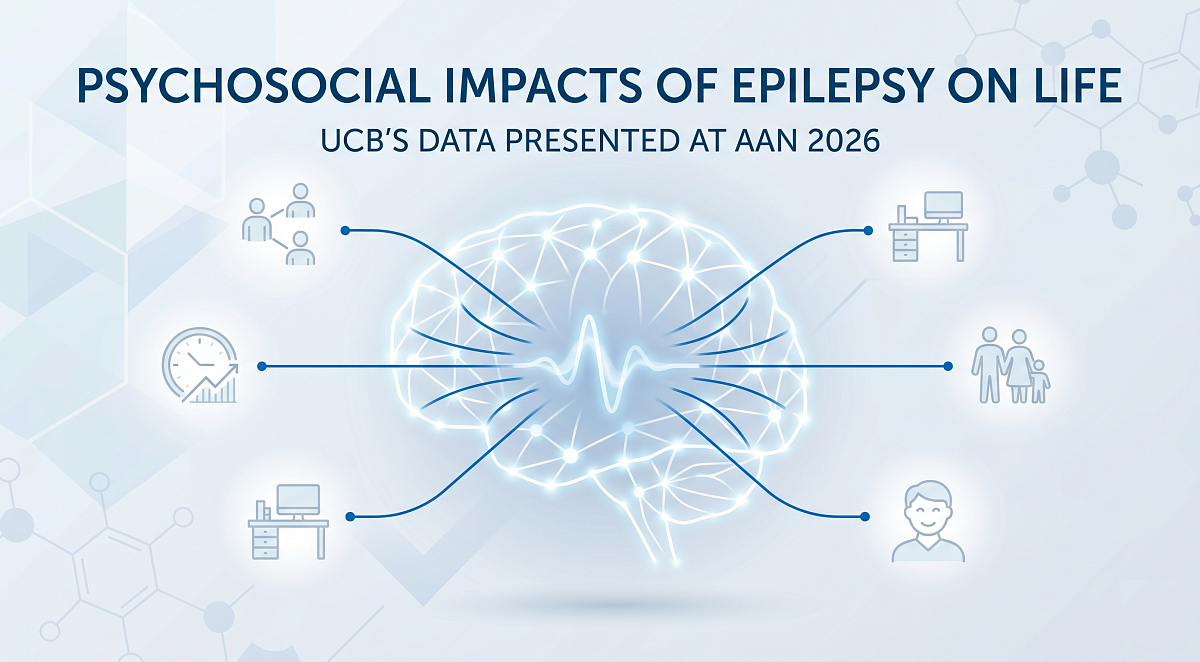
UCB presentation highlights impacts of epilepsy on daily life
UCB has presented new data at the American Academy of Neurology Annual Meeting 2026 highlighting the impact of epilepsy on quality of life for both patients and caregivers. The data underlines the consequences of disrupted sleep for patients and caregivers. The findings include interim survey results in developmental and epileptic encephalopathies (DEEs), showing that more than a quarter of patients experience daily sleep disturbances. These were linked to temporary loss of activities of daily living (ADLs) and communication in a significant proportion of cases.
Andrea Wilkinson, UCB Global Head of Patient Engagement and Advocacy and lead author of the study, said: “These results demonstrate the clear relationship between disrupted sleep and temporary losses in daily function and communication, underscoring the importance of addressing disease impacts beyond seizure alone.”
Prolonged Seizures and Healthcare Utilization
Additional real-world data showed that prolonged seizures affect the ability to carry out everyday activities, with 88% of patients and 96% of caregivers reporting disruption. Seizures were also associated with reduced work productivity and increased anxiety and depression among both groups. A subgroup analysis of patients experiencing prolonged seizures found higher use of healthcare resources compared with non-prolonged events, including increased hospitalisations, emergency visits and ambulance use.
Fenfluramine Treatment Persistence
Separate data presented at the meeting evaluated treatment persistence with fenfluramine in people with Lennox-Gastaut syndrome (LGS) in the USA. The analysis indicated reductions in use of healthcare resources and antiseizure medication burden among patients who remained on treatment. Fenfluramine showed decreases in in-patient hospitalisation claims, emergency room visits and ambulance use among patients for whom there was 12 months of continuous treatment data available. Treatment persistence was reported at 73% at six months and 61% at 12 months.
UCB said the findings reflect the broader burden of epilepsy beyond seizure control, including impacts on daily functioning, mental health and healthcare use. “Families living with LGS manage far more than seizures alone. Fewer emergency room visits, hospitalizations, and ambulance use can translate into less disruption, fewer crises and more stability for families,” said UCB Head of US Medical Neurology, Hugo Xi. He added that the ongoing, persistent use of the treatment helped reinforce available evidence that such therapy was compatible with patients’ real-life situations.
UCB presented a total of 21 abstracts at the meeting. Two-thirds focussed on epilepsy, with the remainder devoted to rare neurological conditions, including six myasthenia gravis (MG) abstracts.